• Skip to primary navigation
  • Skip to main content
  • Skip to primary sidebar

Naval Historical Society of Australia

Preserving Australia's Naval History

  • Events
  • Account
  • Members Area
  • Volunteer
  • Donate
  • Contact us
  • 0 items
  • Show Search
Hide Search
Menu
  • Home
  • Research
    • Where to start
      • Research – We can help!
      • Self help
      • Naval Service Records
      • Library
      • Related Maritime websites
    • Resources
      • Articles
      • Videos
      • On This Day
      • Podcasts
      • Australian Military Ship Losses
      • RAN events on a  Google Earth Map
      • RAN Vessels – Where are they now?
      • Related Maritime websites
    • Other
      • Newsletters: Call The Hands
      • Occasional Papers and Historical Booklets
      • Books
      • HMAS Shropshire
      • Book reviews
    • Close
  • Naval Heritage Sites
    • World Heritage Listings
      • Cockatoo Island
    • National Heritage Listings
      • HMAS Sydney II and the HSK Kormoran Shipwreck Sites
      • HMVS Cerberus
    • Commonwealth Heritage Listings
      • Garden Island NSW
      • HMAS Watson
      • HMAS Penguin
      • Spectacle Island Explosives Complex NSW
      • Chowder Bay Naval Facilities
      • Beecroft Peninsula NSW
      • Admiralty House, Garden and Fortifications
      • HMAS Cerberus
      • Naval Offices QLD
      • Garden Island WA
      • Royal Australian Naval College ACT
      • Royal Australian Naval Transmitting Station ACT
    • NSW Heritage Listings
      • HMAS Rushcutter
    • Close
  • Naval Art
  • Tours & Cruises
    • Navy in Sydney Harbour Cruise, East
    • Navy in Sydney Harbour Cruise, West
    • Sydney under Japanese Attack – 1942
    • Rose Bay Naval History Walk
    • Tour Bookings
    • Close
  • About us
    • About Us
      • What we do
      • Our People
      • Office Bearers
      • Become a volunteer
      • Our Goals and Strategy
    • Organisation
      • Victoria Chapter
      • WA Chapter
      • ACT Chapter
    • Close
  • Membership
  • Shop
  • Become a volunteer
  • Donate
You are here: Home / Article topics / CAPTAIN WALTON DRAKE, ROYAL NAVY – Queensland Colonial Naval Commandant      

CAPTAIN WALTON DRAKE, ROYAL NAVY – Queensland Colonial Naval Commandant      

Haken, J.K., Dr · Sep 6, 2025 · Print This Page

Author
Haken, J.K., Dr
Subjects
Biographies and personal histories, History - pre-Federation, Biographies
Tags
HMS SIRIUS, Memorial, Queensland Naval Brigade
RAN Ships
None noted.
Publication
September 2025 edition of the Naval Historical Review (all rights reserved)
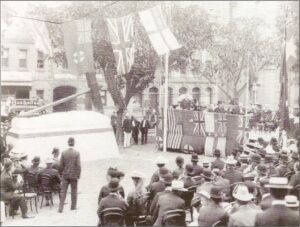
Unveiling of HMS Sirius’ anchor in Macquarie   Place, Sydney, in 1907. CAPT Drake is seated on the dais with other dignitaries.

By Dr J.K. Haken

Picture One

Above: HMS Wolverene sailing from Port Jackson as Flagship of the Australia Station. John Bastock.


A native of England, Walton Drake was born on 16 May 1850 at Exeter, the third child and second eldest son of Augustus and Lydia Jackson, Nee Drake. The naval career of Walton began in 1864, when he became a Cadet in the Royal Navy in HMS Britannia. In 1866 he served in HMS Endymion as a Midshipman, with promotion to Sub-Lieutenant in 1870. He was promoted Lieutenant in October 1874 after service in HMS Lily and the hospital ship Victor Emanuel in Hong Kong.
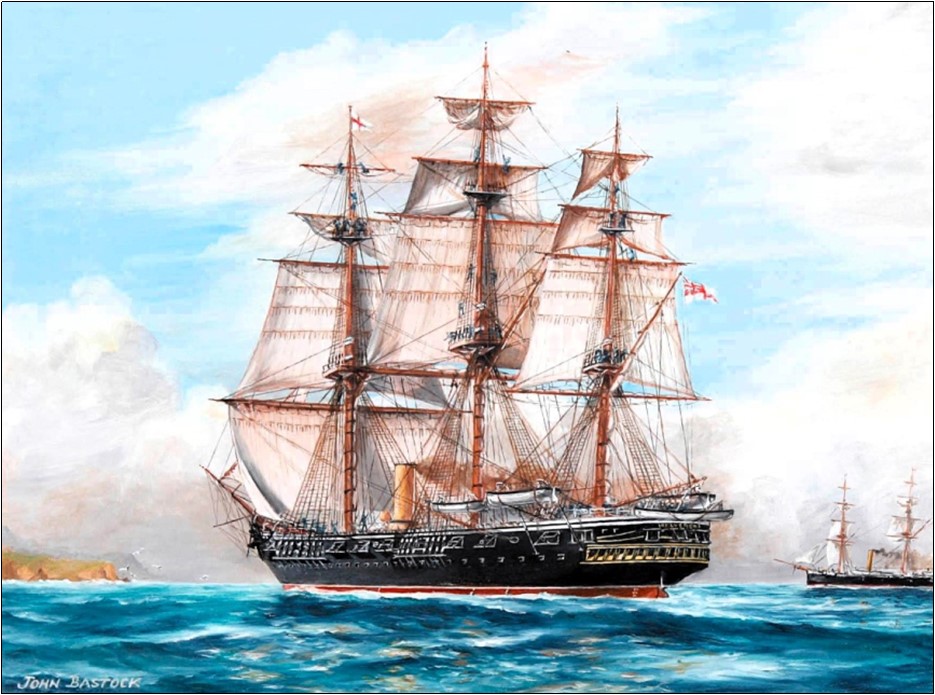
HMS Wolverene sailing from Port Jackson as Flagship of the Australia Station. John Ba

HMS Wolverene

He was first Lieutenant of Wolverene, an old and un-battleworthy ship which was Flagship of the Admiral of the Sydney-based Australia Station. The vessel was paid off and gifted to New South Wales on 16 January 1882 for use as a training ship. After the crew returned to England, Drake remained as a Colonial Government employee until his resignation on 17 July 1884, as Second Lieutenant of HMCS Wolverene and Instructor of the Naval Artillery Volunteers. Lieutenant Drake married Isobel Maude, nee Pixley on 1 January 1889 in Sydney (died 22 September 1921). There were no children.

To Queensland

On 3 March 1885, Drake was appointed Lieutenant and Lieutenant     Instructor, both appointments effective 1 January 1885, in the new Queensland Naval Brigade to consist of Nos 1 and 2 Brisbane Companies and the Townsville Company. Appointed temporary First Lieutenant of the gunboat HMQS Gayundah on 3 November 1887. At this time, the fleet consisted of gunboat Gayundah and her sistership HMQS Paluma and the torpedo boats Mosquito and Midge. He was promoted to Commander, noted as equivalent to Major in the Queensland Military Forces, effective 16 January 1889. Drake had been variously commanding in 1891 and now restyled Officer Commanding Naval Corps, dated 14 June 1892, and to act as Naval Commandant, dated 1 October 1892. To be Acting Commander of Gayundah, dated 10 November 1898.
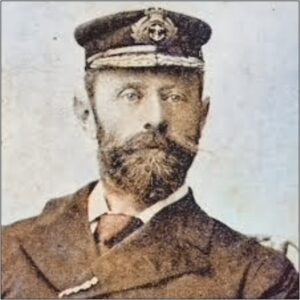
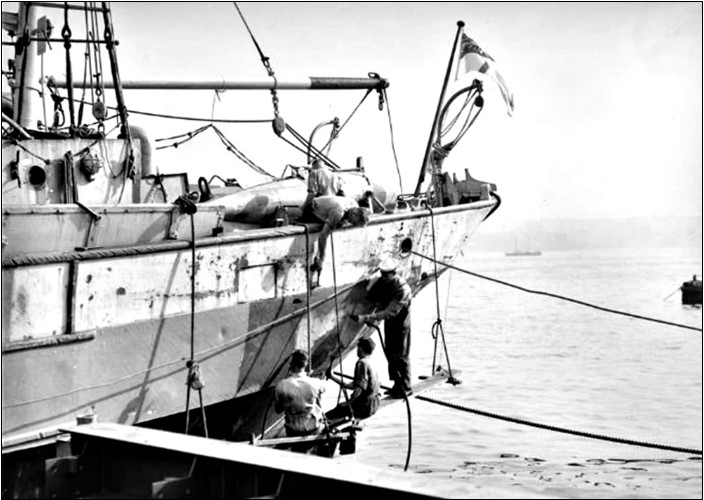
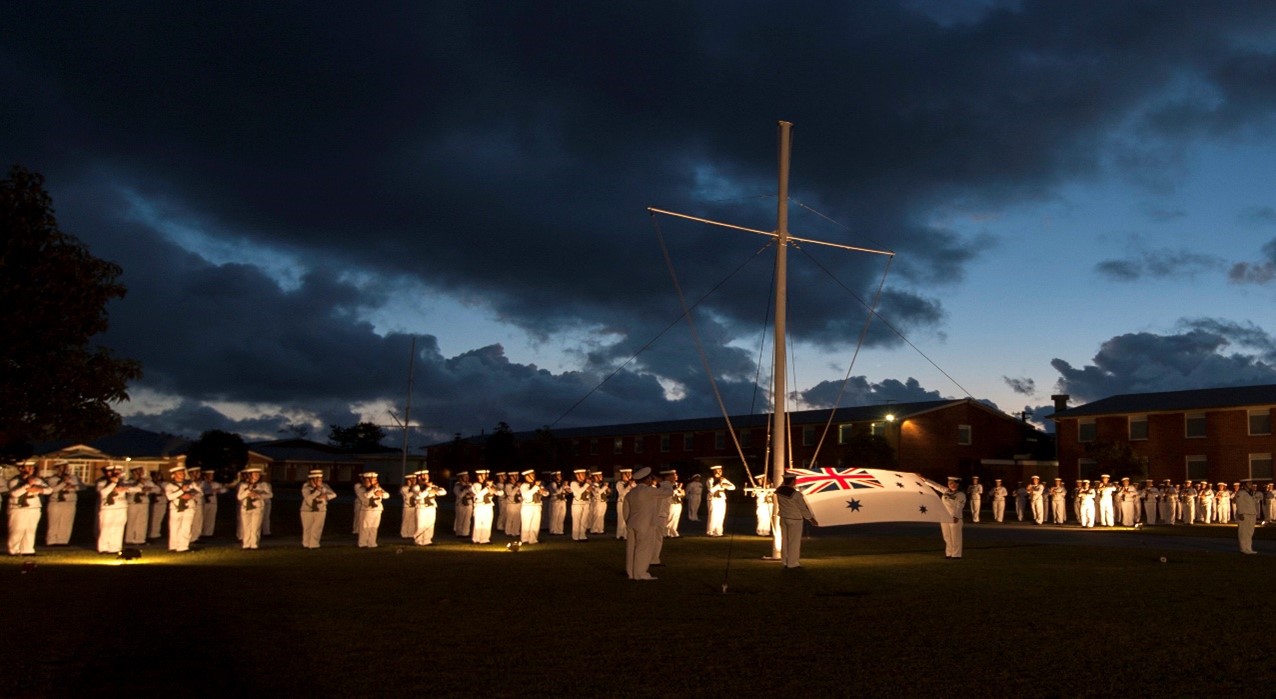
Commander Walton Drake with the Queensland Marine Defence Force.

Captain W.R. Creswell CMG was appointed Naval Commandant and Commander of the gunboat Gayundah to date from 1 May 1900.    Commander Drake retired, due to the recently       introduced age restrictions, with the rank of Captain to date from 1 September 1902.

 Other roles

The United Service Club President was the  Service Chief and thus rotated, with Drake as President in 1893 1895, 1897 and 1899. Captain Drake left Queensland on 4 July 1902 for Hobart, where he resided. The stay was brief, as he was appointed Administrator of Norfolk Island, a post held from July 1903 to February 1907.

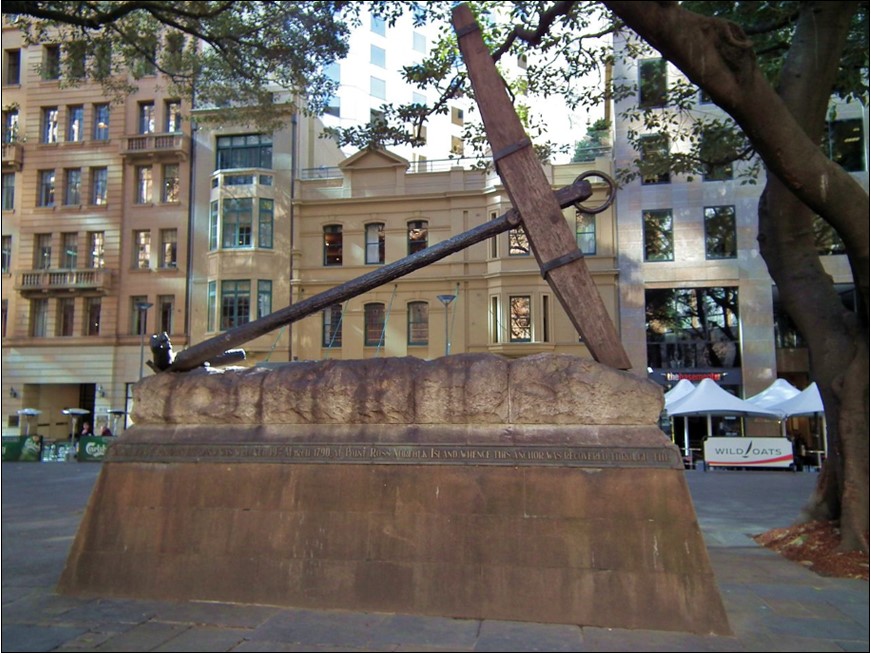
In 1788, Captain Philip lost the anchor of his flagship, HMS Sirius, at Norfolk Island. This was recovered by Captain Drake and his brother-in-law, Arthur Pixley, and transported to Sydney, where it was displayed in Macquarie Place.

Captain Drake, Retired List, was then appointed  District Naval Officer at Hobart from 17 July 1911, again to Retired List on 29 January 1914. Reappointed on 6 August 1914, he continued until September 1919. On 2 June 1913 Drake was appointed a Commissioner for Declarations under the Statutory Declarations Act 1911 until 20 January 1920.

Drake was then appointed to the Tasmanian Coal Board upon its formation on 22 August 1917, under the War Precautions Regulations 1917, and replaced on retirement, effective 1 October 1919.

Captain Drake left Tasmania in June 1923 and spent several weeks in Sydney before travelling to England to reside, but returned to Sydney on 23 July 1924 and Hobart on 20 October 1924.

In memory

Captain Drake died at Wahroonga, aged 90, on  8 September 1940. Many pioneer and distinguished service personnel have been remembered by memorial tablets, streets, suburbs or in one case, submarines. With Captain Drake, it was a golf trophy, the Captain Walton Drake Cup.

The event, formed in 2015, is a match between teams from the Royal Hobart Golf Club and a Navy team. The matches were won by the hosts until 2024, when the Navy team was successful.
CAPT Drake on Norfolk Island, after the raising of the anchor from HMS Sirius. TROVE.
Unveiling of HMS Sirius’ anchor in Macquarie   Place, Sydney, in 1907. CAPT Drake is seated on the dais with other dignitaries.
A more recent photograph of the anchor from HMS Sirius.


Naval Historical Review, Biographies and personal histories, Article topics, History - pre-Federation, Biographies HMS SIRIUS, Memorial, Queensland Naval Brigade

Help us improve our website

We're a volunteer run organisation and we'd love your help. If you spot a typo, an incorrect image or a correction for this article? Let us know below.

Primary Sidebar

SUBSCRIBE

Sign up for our monthly e-newsletter.

  • This field is for validation purposes and should be left unchanged.

Categories

Latest Podcasts

  • The Fall of Singapore
  • HMAS Armidale
  • Napoleon, the Royal Navy and Me
  • The Case of the Unknown Sailor
  • Night of the midget subs — Sydney under attack

Links to other podcasts

Australian Naval History Podcasts
This podcast series examines Australia’s Naval history, featuring a variety of naval history experts from the Naval Studies Group and elsewhere.
Produced by the Naval Studies Group in conjunction with the Submarine Institute of Australia, the Australian Naval Institute, Naval Historical Society and the RAN Seapower Centre

Life on the Line Podcasts
Life on the Line tracks down Australian war veterans and records their stories.
These recordings can be accessed through Apple iTunes or for Android users, Stitcher.

Video Links

  • Australian War Memorial YouTube channel
  • Royal Australian Navy YouTube Channel
  • Research – We can help!
  • Naval Heritage Sites
  • Explore Naval Art
  • About us
  • Shop
  • Events
  • Members Area
  • Membership Renewals Update
  • Volunteer
  • Donate
  • Contact us

Follow us

  • Facebook
  • YouTube
  • Members Area
  • Privacy Policy

Naval Historical Society of Australia Inc. Copyright © 2026