RAN Sea King over HMAS Melbourne (ll)
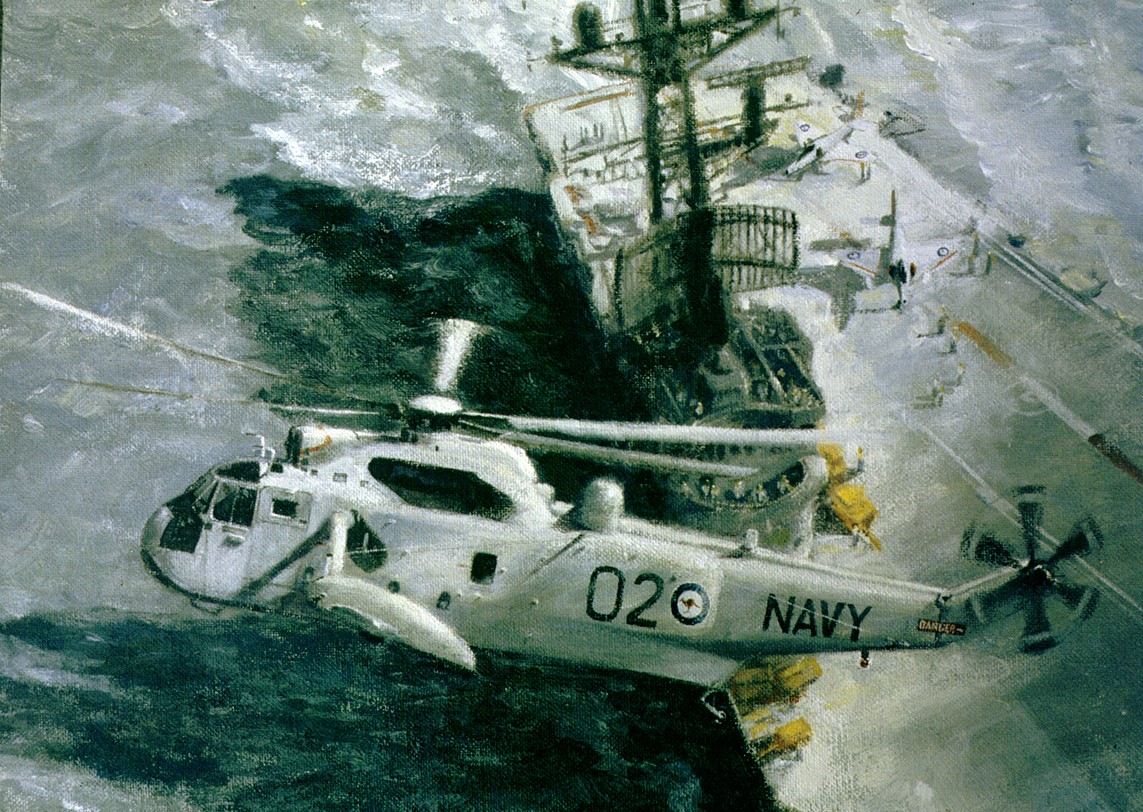
This painting illustrates the ‘Sea King’ which is a very sophisticated all-weather amphibious helicopter for anti-submarine warfare and can also be used in a search and rescue role. The Royal Australian Navy took delivery of its Sea Kings in 1974. Sea Kings operated from the flight deck of HMAS Melbourne (ll) along with Douglas Skyhawks and Grumman Trackers.
The above painting shows a Sea King helicopter—marked clearly with the number 02 and the word NAVY. The helicopter is shown flying low over a turbulent sea, its rotors blurred into motion, suggesting urgency and action. The aircraft is angled slightly forward, as if in the middle of a manoeuvre. Below it, Melbourne (ll) cuts through rough water. The deck is busy with equipment, antennas, and personnel, all rendered with enough specificity to convey the complexity of naval operations.
The superstructure of HMAS Melbourne (ll) includes radar arrays, masts, and communication equipment. The vessel is angled slightly toward the viewer, giving depth and perspective. The sea is rough, the sky is overcast, leaning toward stormy, which heightens the tension and drama. The palette is dominated by greys, blues, and muted metallic tones. The overall mood is operational intensity: a moment of coordination between air and sea in challenging conditions.
- About David Marshall
David Marshall
(1929 – 2016)
This biography is sourced from AI material and the following website: About David | David Marshall Aviation Art
David Marshall stands as one of the foremost visual chroniclers of Australian naval aviation. A former RAF pilot and classically trained artist, he brought to his Australian work a rare blend of technical precision, atmospheric sensitivity, and first‑hand understanding of flight.
David Marshall was born in the United Kingdom in 1929. He started painting aircraft when he was five years old. His first contact with flying was in England during 1934 when he was taken for a flight in an Airspeed “Ferry” biplane owned by the famous English pioneer pilot, Sir Alan Cobham.
In the 1950s, during his National Service in the Royal Air Force in Britain he graduated as a pilot and continued flying with the RAF Reserve after taking up a major scholarship with the University of Reading in England. He specialized in painting, lithography, wood-engraving and typography; he graduated with first-class honours.
He then followed a thirty-year career in advertising in London and finally in Sydney. In Australia, David turned increasingly to the aircraft and operations of the Royal Australian Navy, producing some of the most recognisable images of the Fleet Air Arm’s carrier era.
In 1987 he retired from advertising and co-authored a book with Bruce Harris Wild about Flying! Dreamers, Doers, and Daredevils to celebrate 100 years of powered flight. This book features over two hundred of his paintings. It is still available for purchase from the following website: Dreamers, Doers & Daredevils Celebrating 100 years of aviation | David MARSHALL, Bruce HARRIS Whilst preparing material for this book he took up flying sailplanes and was awarded the FAI Gold Badge with one Diamond.
His oil paintings of A‑4G Skyhawks, S‑2E/G Trackers, and Wessex helicopters aboard HMAS Melbourne capture the machinery and rhythm and discipline of carrier life, and the distinctive light of the Australian coast. Marshall’s works are grounded in meticulous research and pilot‑level accuracy. His paintings are celebrated for their accuracy, atmosphere, and narrative clarity.
David passed away in 2016, but the range and extent of his work has placed him as a pre-eminent Australian naval aviation artist. His work is represented in business organisations, in museums and in several private collections. Several of his naval aviation paintings form part of the permanent display in the Royal Navy and the Australian Navy Fleet Air Arm Museums, and the RAAF has awarded him Heritage Awards for his paintings. Enterprises such as Qantas and Lockheed Martin have commissioned his work and many of them have been created for magazine articles that he has written over the years.
- About Ships and aircraft in company
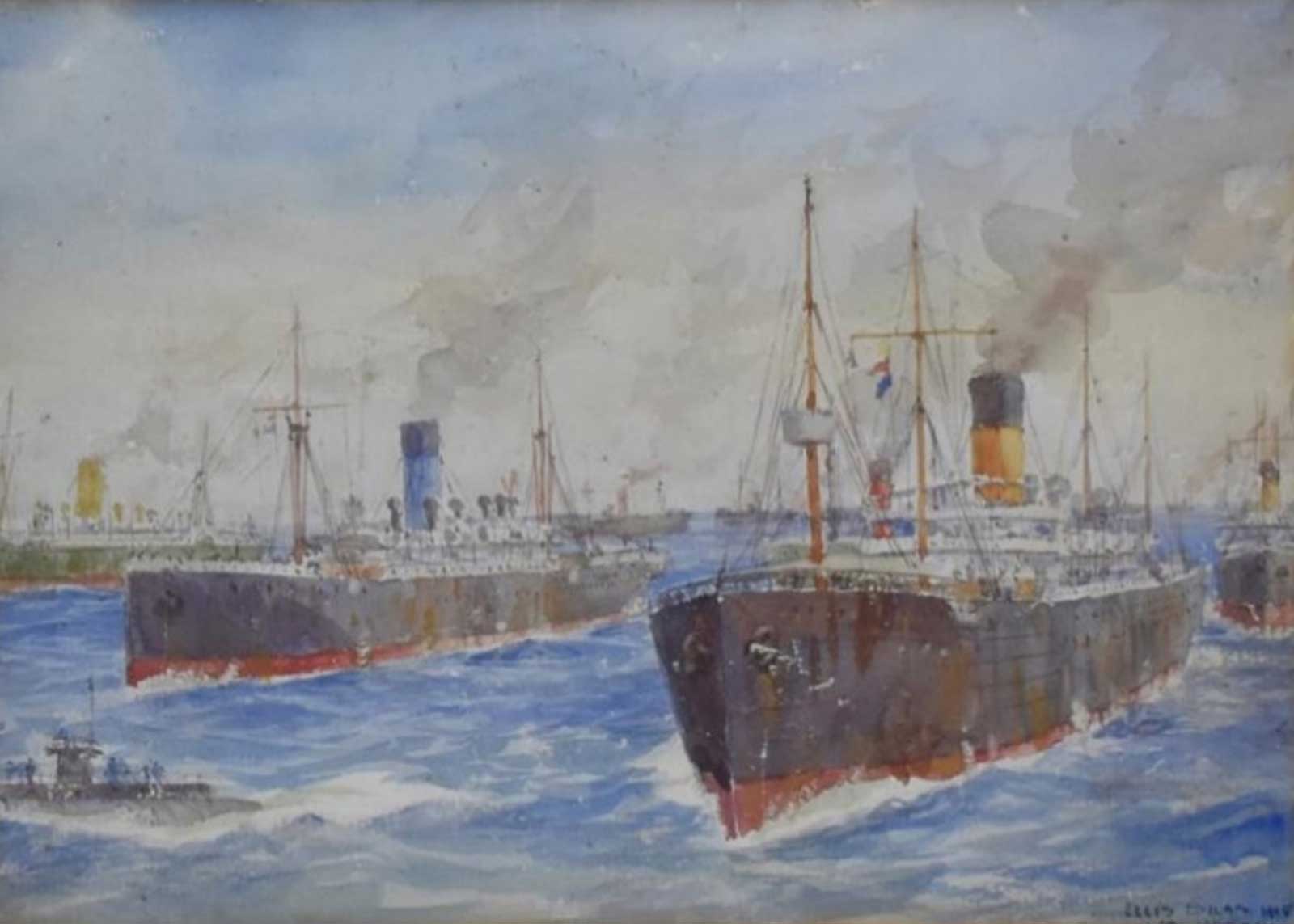
In this section a wide variety of artworks with more than one ship, submarine or aircraft are featured. When two or more naval vessels are operating together they are said to be ‘in company’.
The diverse nature of activities, exercises and deployments undertaken by ships, submarines and aircraft of the Royal Australian Navy means that a ship may spend long periods conducting single ship operations or periodically join with large numbers of other ships for such events as a naval review or fleet entry to a port. These latter events are generally scheduled to commemorate a particular event. During such events a prominent or royal figure will review the fleet as part of the ceremony. Throughout its history ships of the RAN have participated in major fleet entries and reviews both in Australian waters and overseas.
Details of Ships in the First Fleet
Name Class Commission Dates HMAS Australia Indefatigable Class 21 Jun 1913 – 12 Dec 1921 HMAS Melbourne Town Class Light Cruiser 18 Jan 1913 – 23 Apr 1928 HMAS Sydney Town Class Light Cruiser 26 Jun 1913 – 8 May 1928 HMAS Encounter Challenger Class Light Cruiser 1 Jul 1912 – 1 Jan 1923 HMAS Warrego River Class 1 Jun 1912 – 22 Jul 1919 HMAS Parramatta River Class 10 Sep 1910 – 22 Jul 1919 HMAS Yarra River Class 10 Sep 1910 – 30 Sep 1929
More reading
- Additional resources for David Marshall
- Additional resources for Ships and aircraft in company
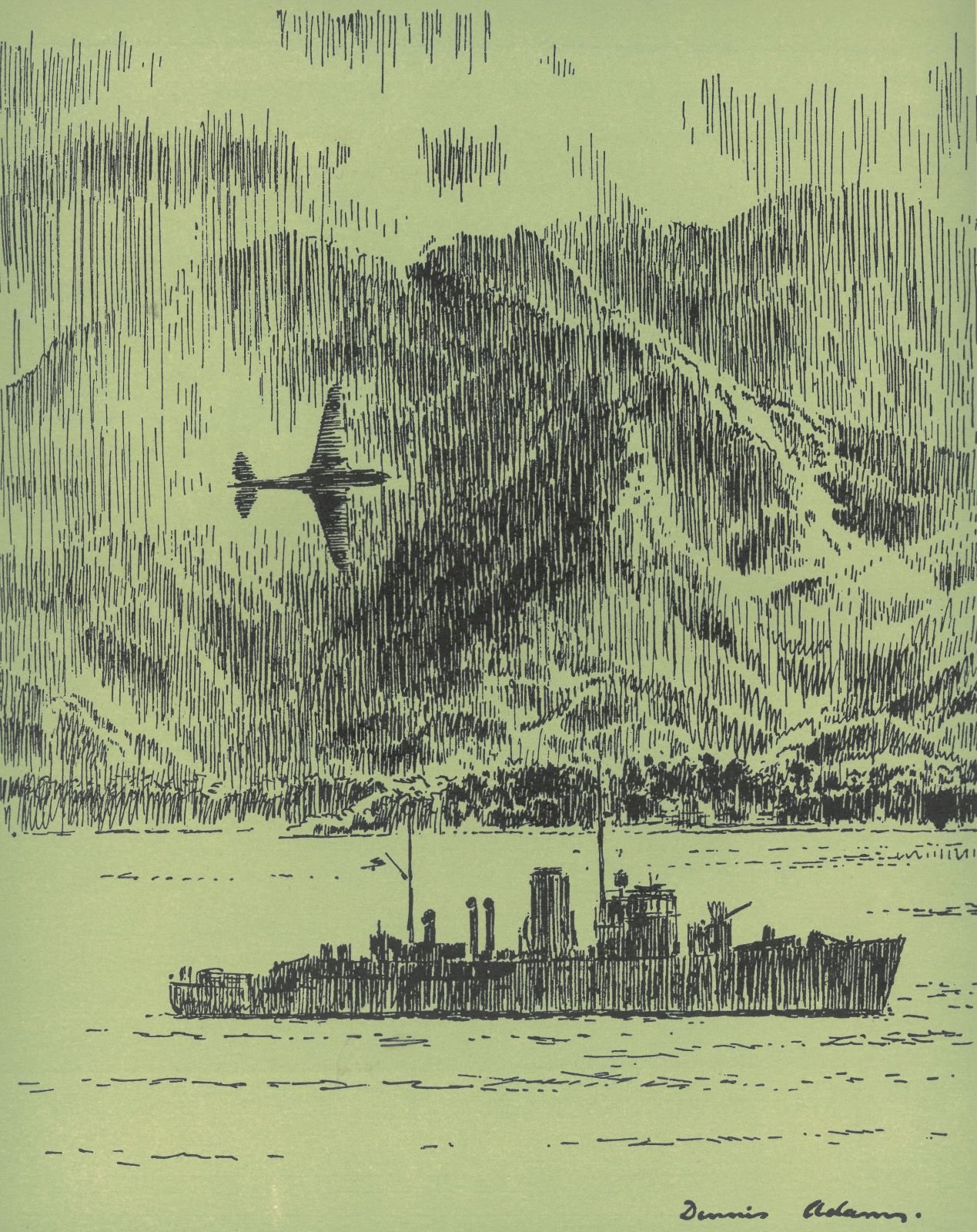
Corvette at Milne Bay
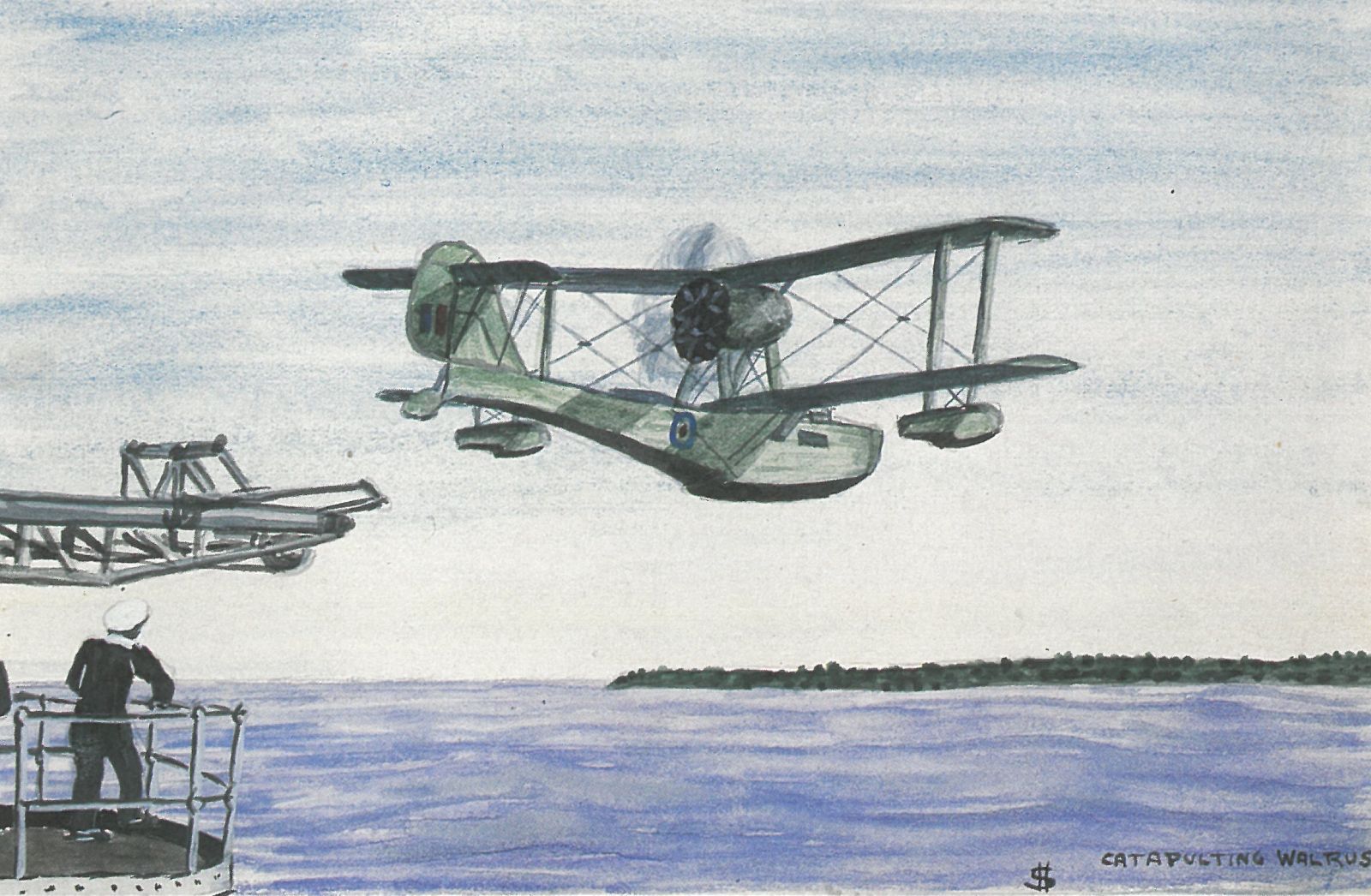
Walrus Amphibian 1942
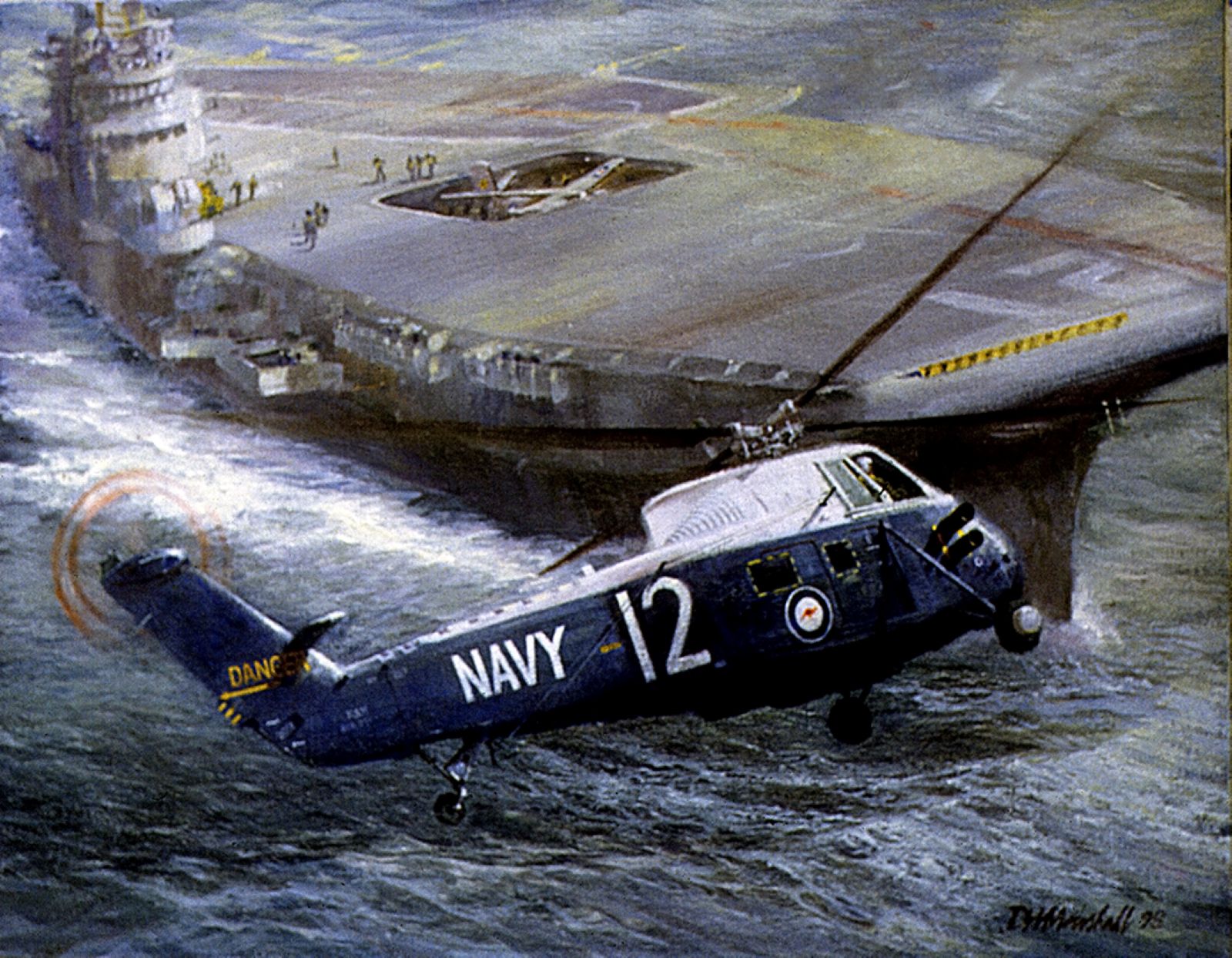
RAN Wessex 31B over HMAS Melbourne (ll)
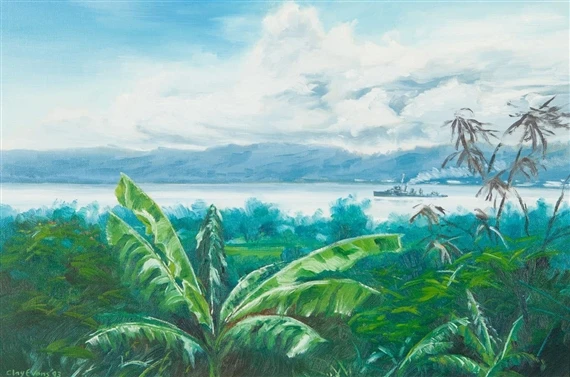
Destroyer Cruising the Tropics
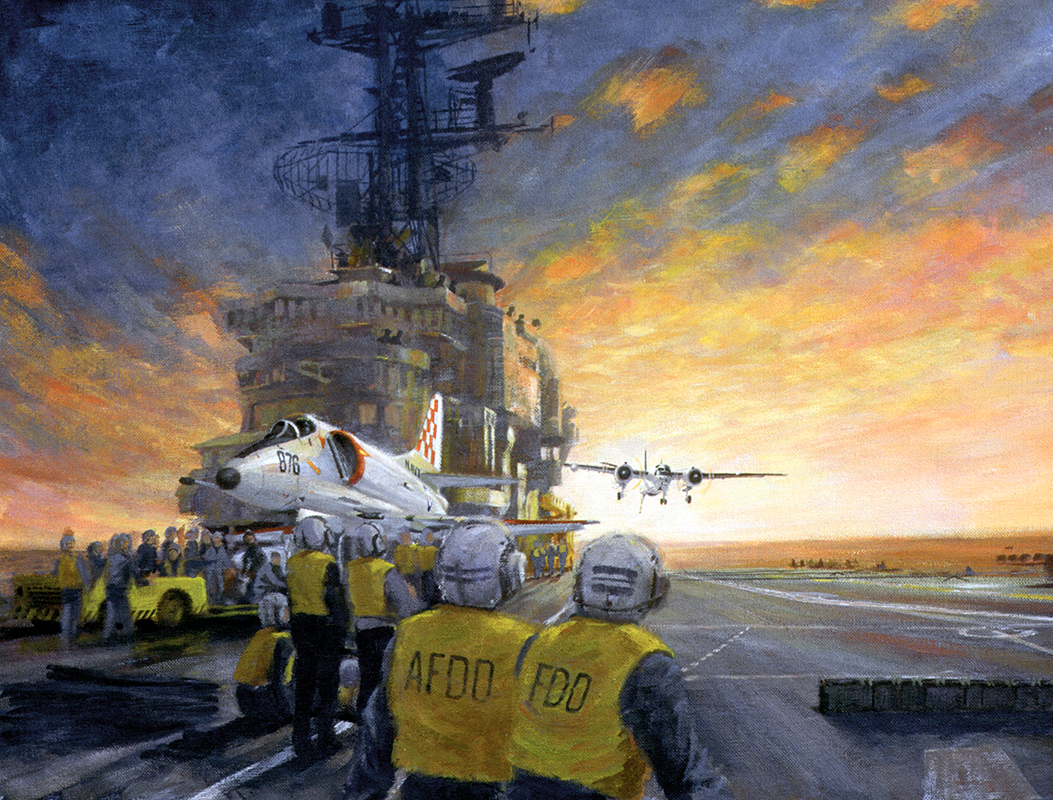
RAN Skyhawks share the deck of HMAS Melbourne (ll) with Grumman Trackers
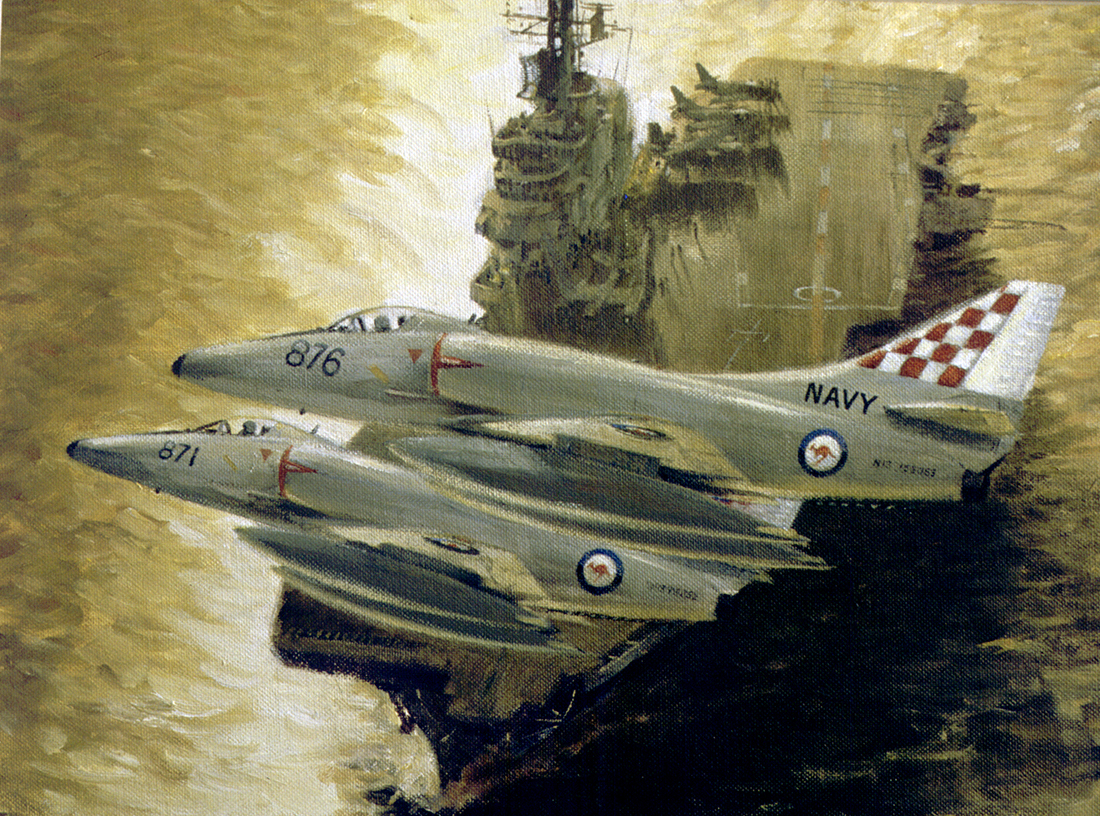
RAN Skyhawks of 805 Squadron climb out over HMAS Melbourne (ll) at sunset
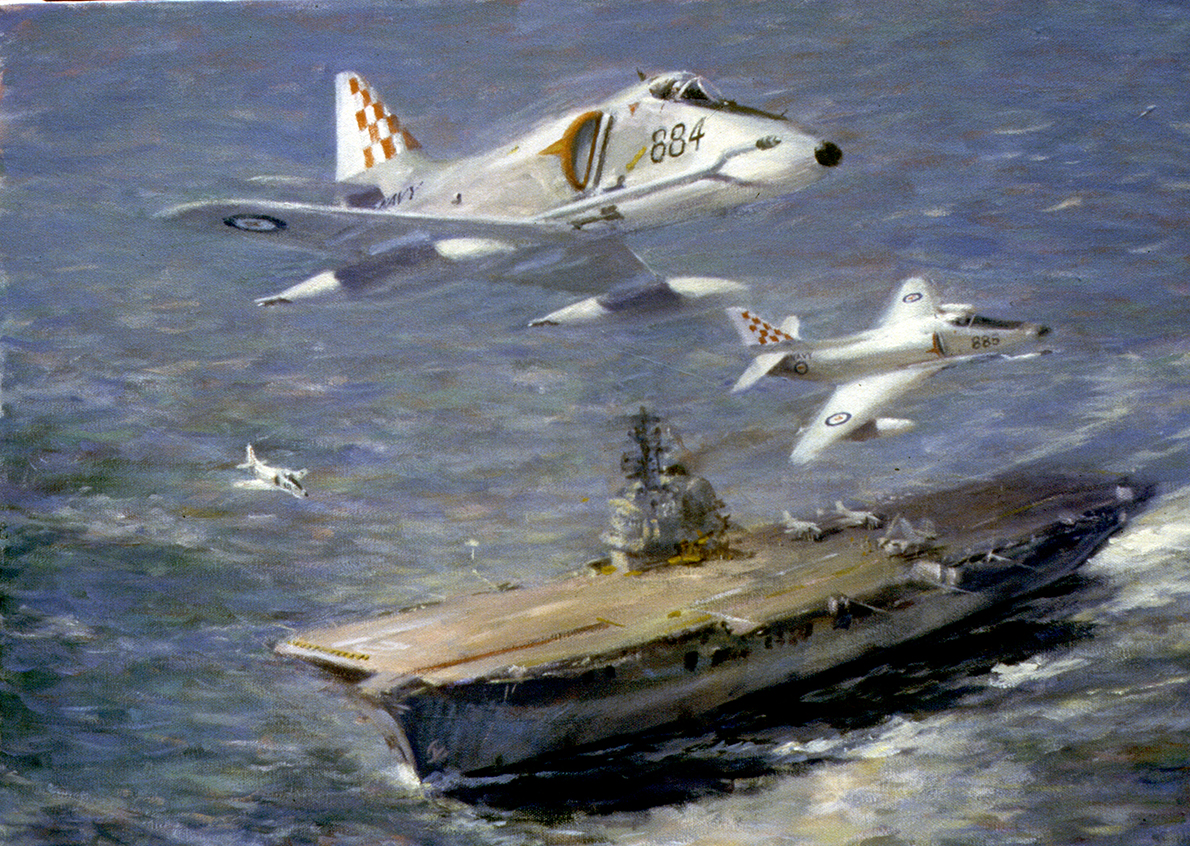
RAN Skyhawks joining formation above HMAS Melbourne (ll)
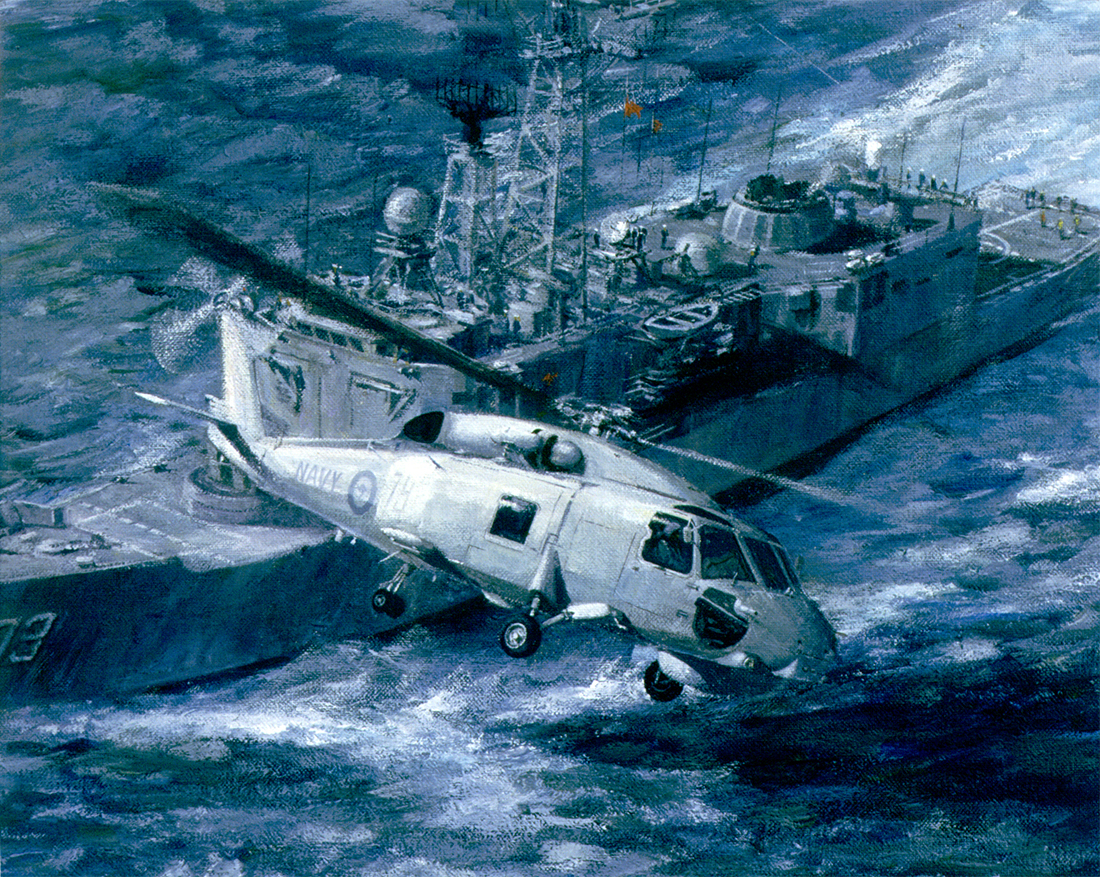
RAN Seahawks over HMAS Sydney (iv)
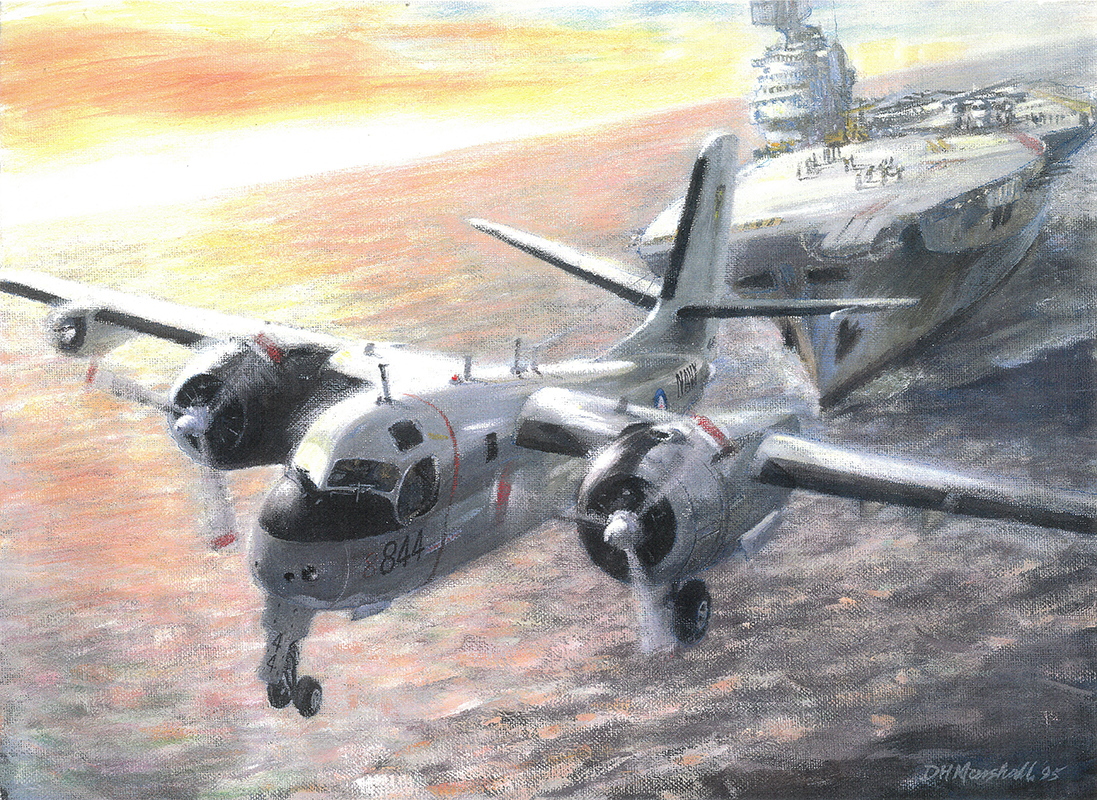
RAN Grumman Tracker taking off from HMAS Melbourne (ll)
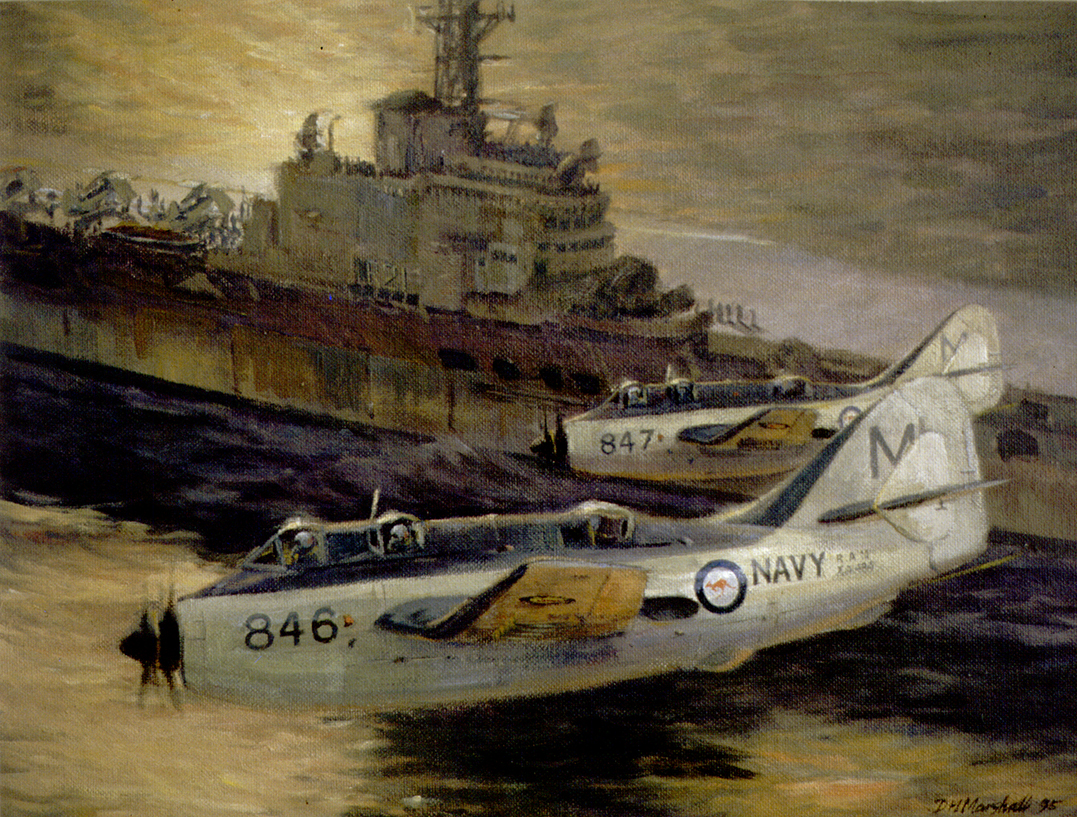
RAN Gannets over HMAS Melbourne (ll)
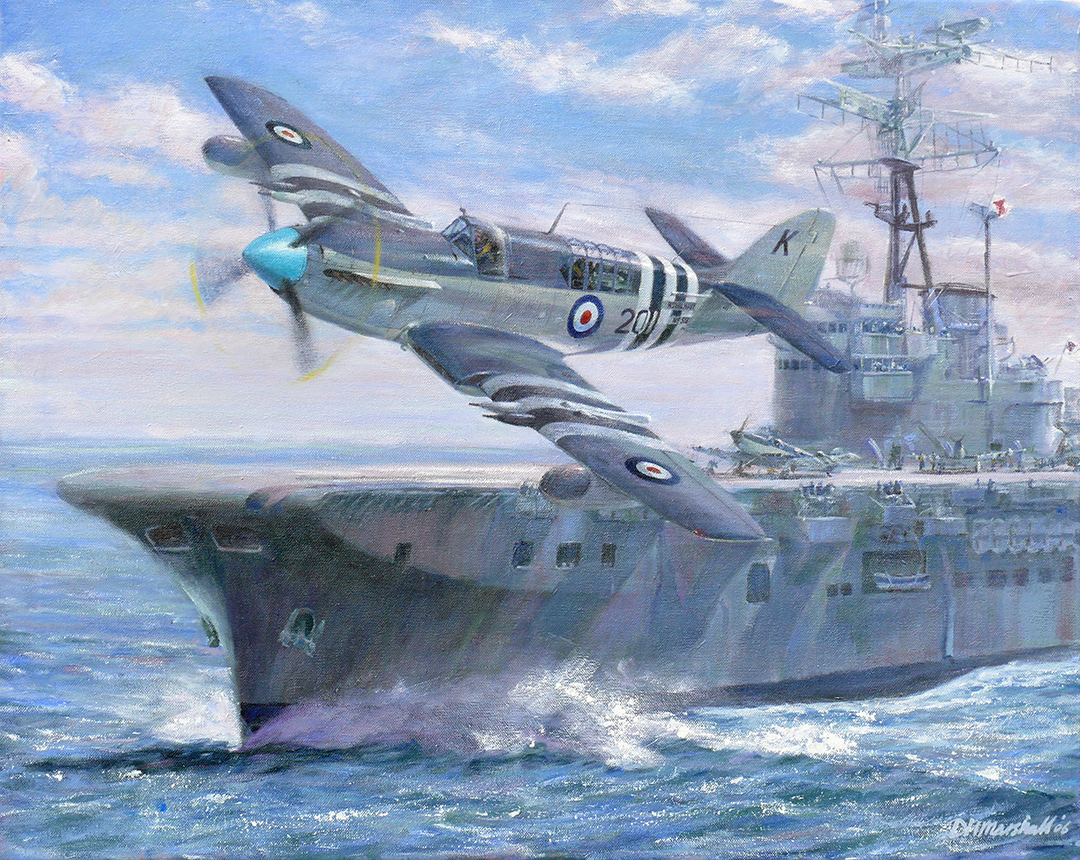
Korean War Battler – A RAN Firefly V makes a low pass over HMAS Sydney (ll)
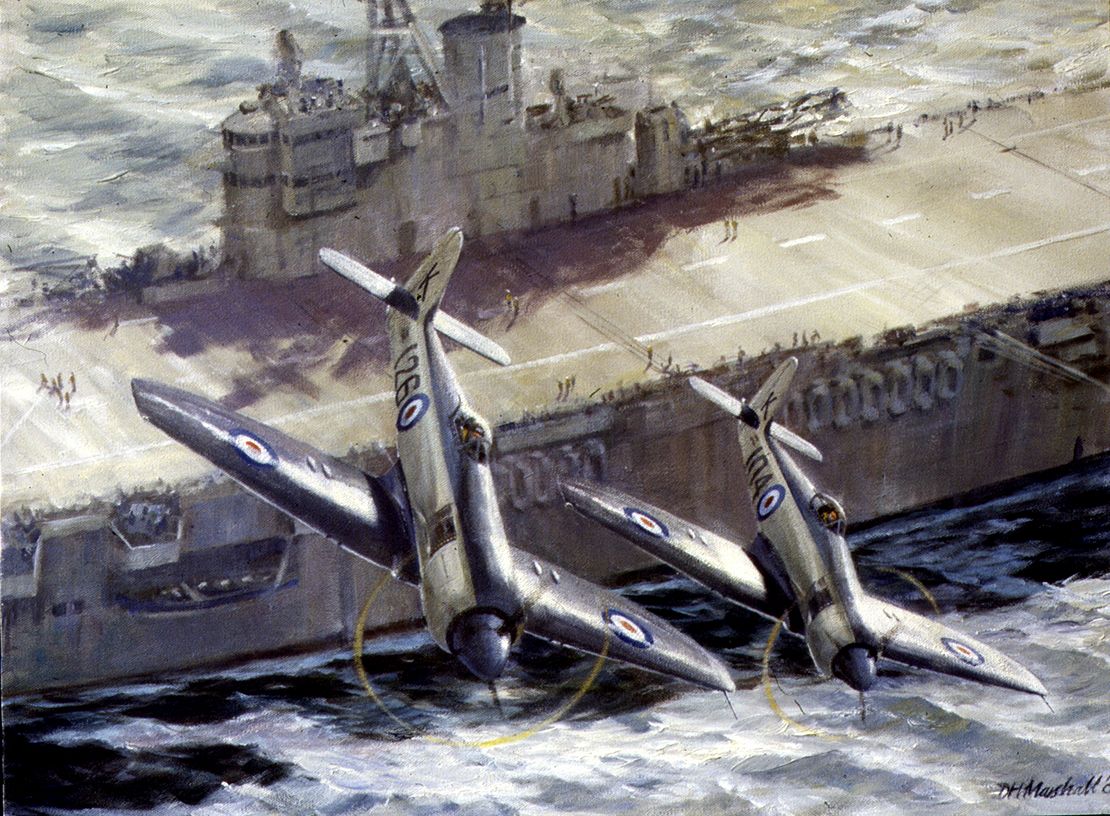
Hawker Sea Fury – The ultimate piston-engined fighter
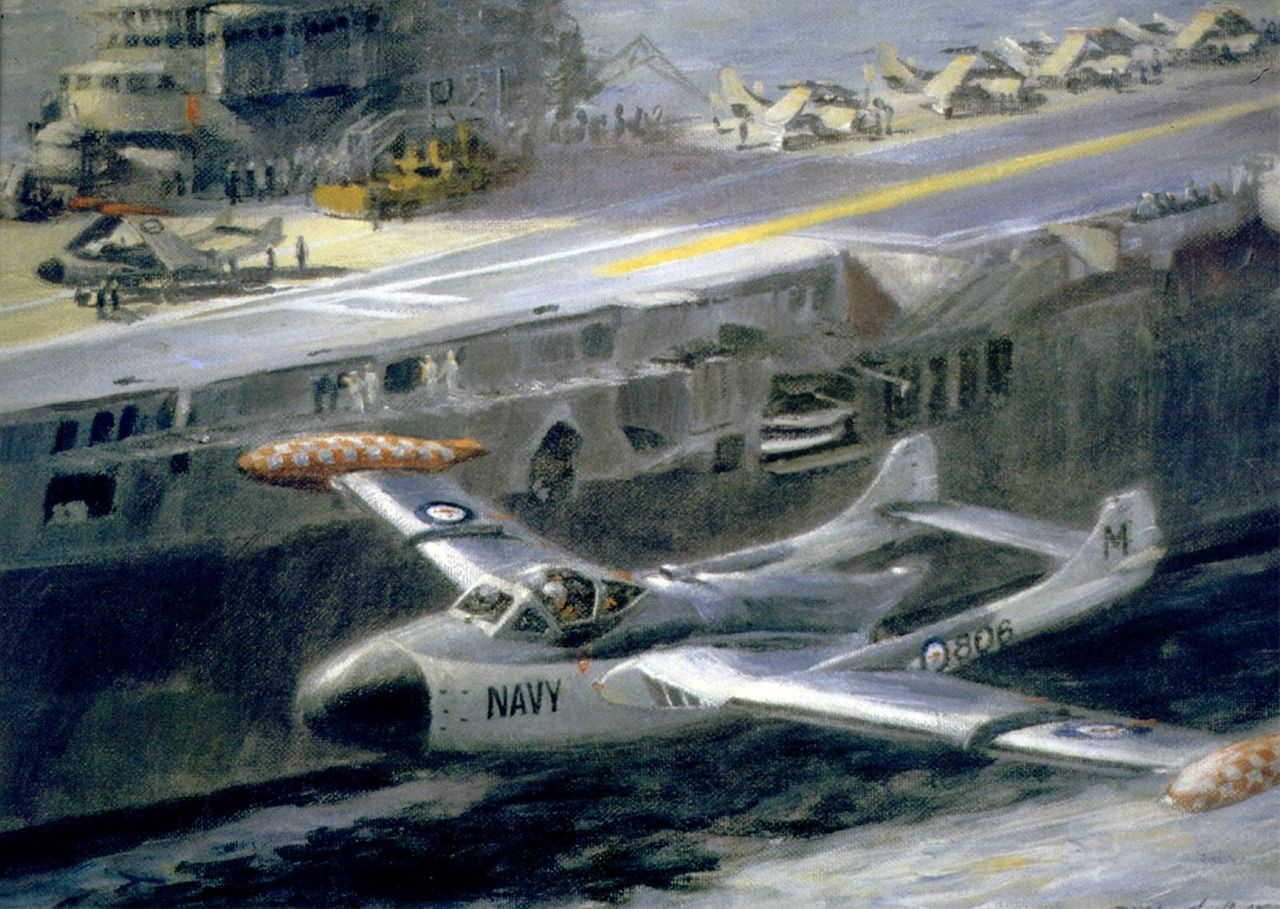
805 Squadron RAN Sea Venom makes a low pass over HMAS Melbourne (ll)
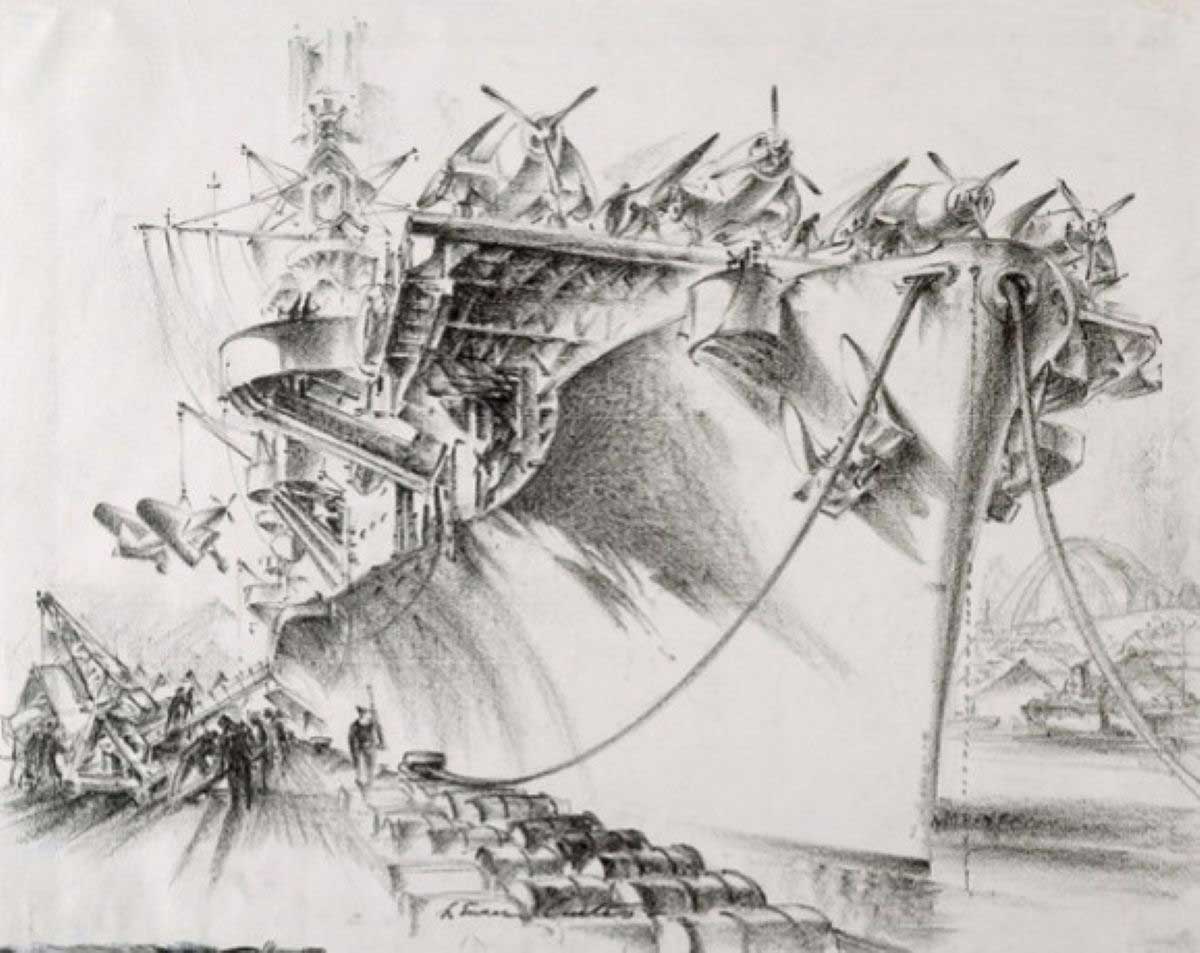
Aircraft carrier, with Grumman Avenger aircraft on flight deck
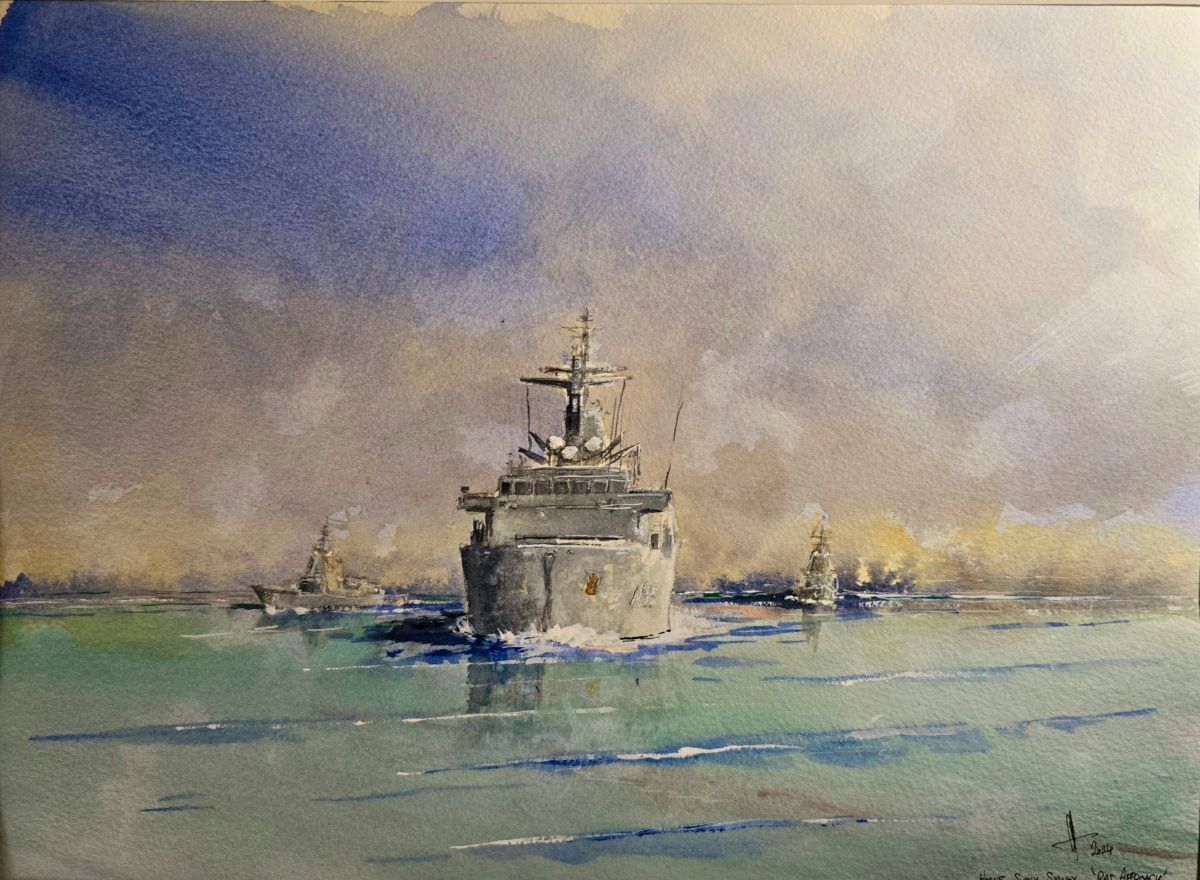
Replenishment at Sea (RAS) Approach, HMAS Supply, Hobart and Sydney
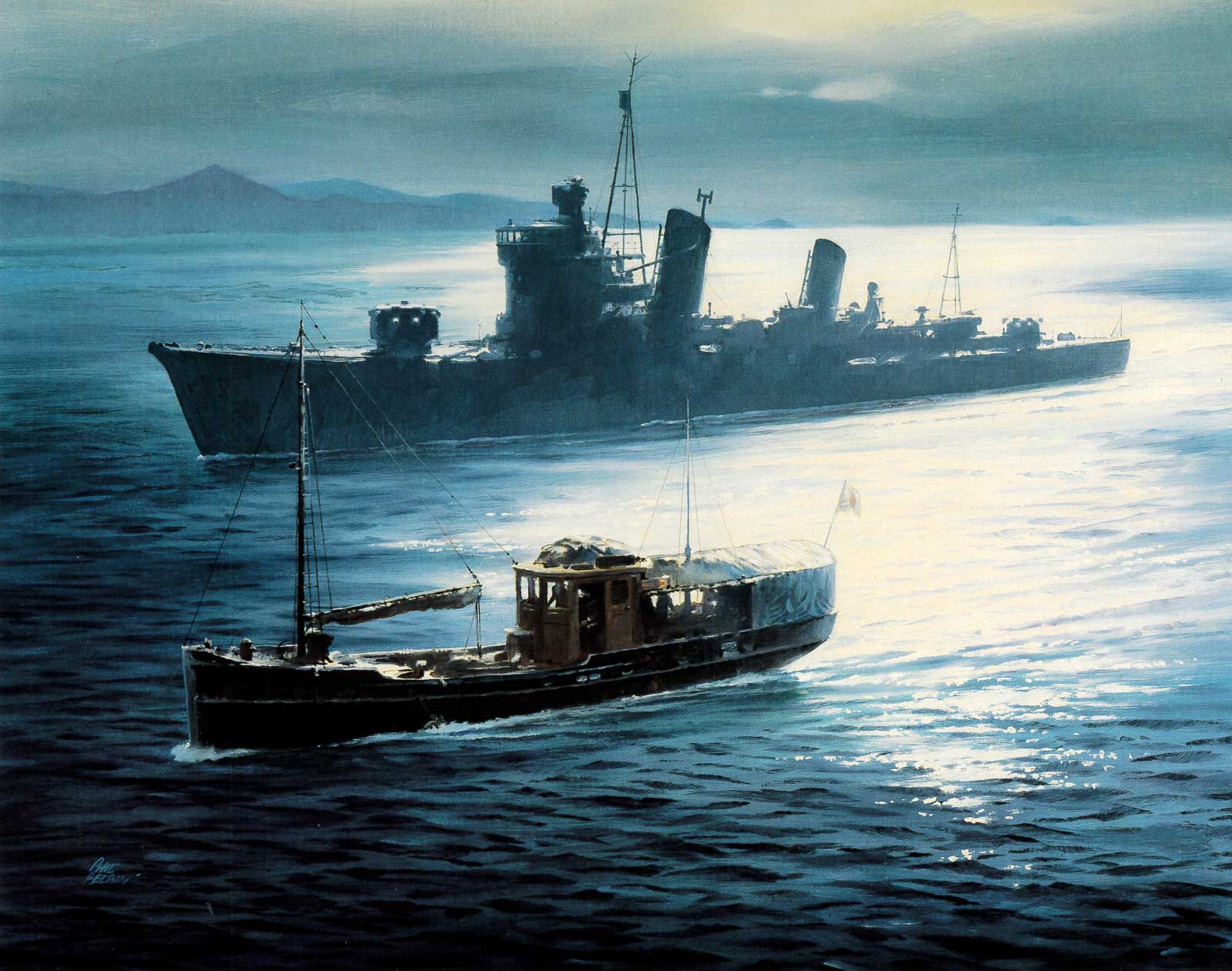
MV KRAIT and Japanese Destroyer in 1943

Troop Convoy and Escort and Hudson Bomber

N Class Destroyers off Libya

Sydney Harbour looking east to Garden Island from Dawes Point