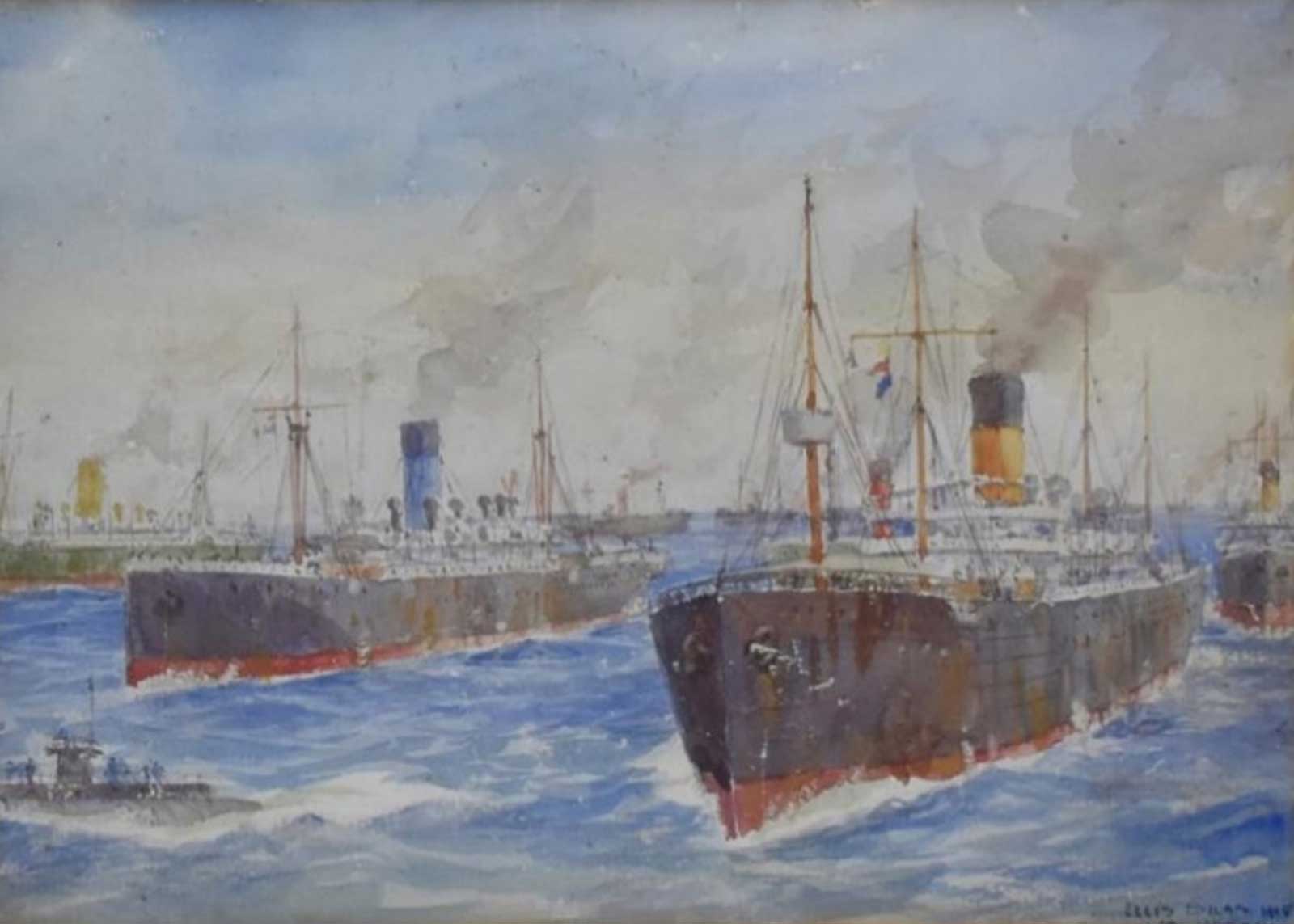
Walrus Amphibian 1942
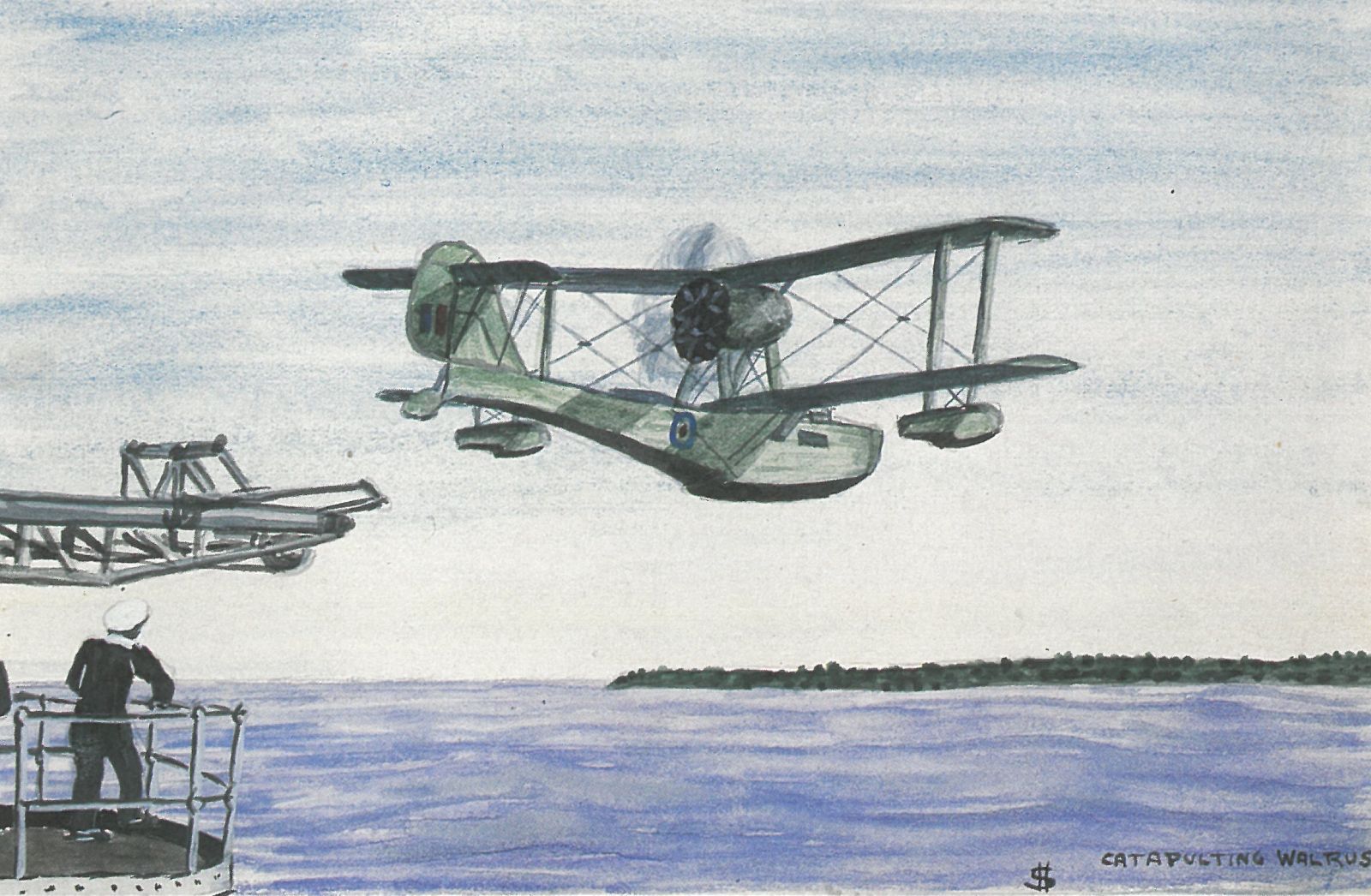
A verse by the artist to accompany this painting:
Funny old biplane, pusher-amphibian,
Catapult-launched from AUSTRALIA at sea.
Temp’ry Observer I found myself, in one,
Hooking it on when it landed alee.
- About Commodore Dacre Henry Deudraeth Smyth AO
Dacre Smyth was born in London the son of Victoria Cross recipient Sir Nevill Maskelyne Smyth (1868-1941). The Smyth's emigrated to Australia in 1925, settling near Balmoral in Victoria. He had an idyllic early life growing up on the family farm; each morning he rode a horse to a tiny, 10-pupil state school. Then it was off to Geelong Grammar as a border.
Smyth enlisted in the Royal Australian Navy in September 1940. His first posting was as Midshipman in HMAS Australia. His war service saw him at the Battle of the Coral Sea, bombarding Sword Beach during the D-Day landings in France, and he was present at the bombing of Hiroshima on 6 August 1945.
Smyth was aboard HMAS Bataan during the Korean War and commanded HMAS Supply during the Vietnam War. He spent a year as Aide-de-Camp to Governor-General William McKell and three years as Aide-de-Camp to Her Majesty Queen Elizabeth II. Painting was a keen hobby during his time in the RAN and when he retired in 1978 he became well-known as an author and artist.
More than 2800 of his paintings sold to eager buyers, and he self-published 14 books illustrated with his paintings and verse. His books all had themes, such as The Bridges of the Yarra, The Lighhouses of Victoria, Historic Ships of Australia and the autobiographical Pictures in My Life.
He was awarded the Order of Australia in 1997 and the French Legion of Honour in 2000.
Dacre Smyth died at his home in Toorak on 3 December 2008.
- About Ships and aircraft in company
In this section a wide variety of artworks with more than one ship, submarine or aircraft are featured. When two or more naval vessels are operating together they are said to be ‘in company’.
The diverse nature of activities, exercises and deployments undertaken by ships, submarines and aircraft of the Royal Australian Navy means that a ship may spend long periods conducting single ship operations or periodically join with large numbers of other ships for such events as a naval review or fleet entry to a port. These latter events are generally scheduled to commemorate a particular event. During such events a prominent or royal figure will review the fleet as part of the ceremony. Throughout its history ships of the RAN have participated in major fleet entries and reviews both in Australian waters and overseas.
Details of Ships in the First Fleet
Name Class Commission Dates HMAS Australia Indefatigable Class 21 Jun 1913 – 12 Dec 1921 HMAS Melbourne Town Class Light Cruiser 18 Jan 1913 – 23 Apr 1928 HMAS Sydney Town Class Light Cruiser 26 Jun 1913 – 8 May 1928 HMAS Encounter Challenger Class Light Cruiser 1 Jul 1912 – 1 Jan 1923 HMAS Warrego River Class 1 Jun 1912 – 22 Jul 1919 HMAS Parramatta River Class 10 Sep 1910 – 22 Jul 1919 HMAS Yarra River Class 10 Sep 1910 – 30 Sep 1929
More reading
- Additional resources for Commodore Dacre Henry Deudraeth Smyth AO
- Additional resources for Ships and aircraft in company
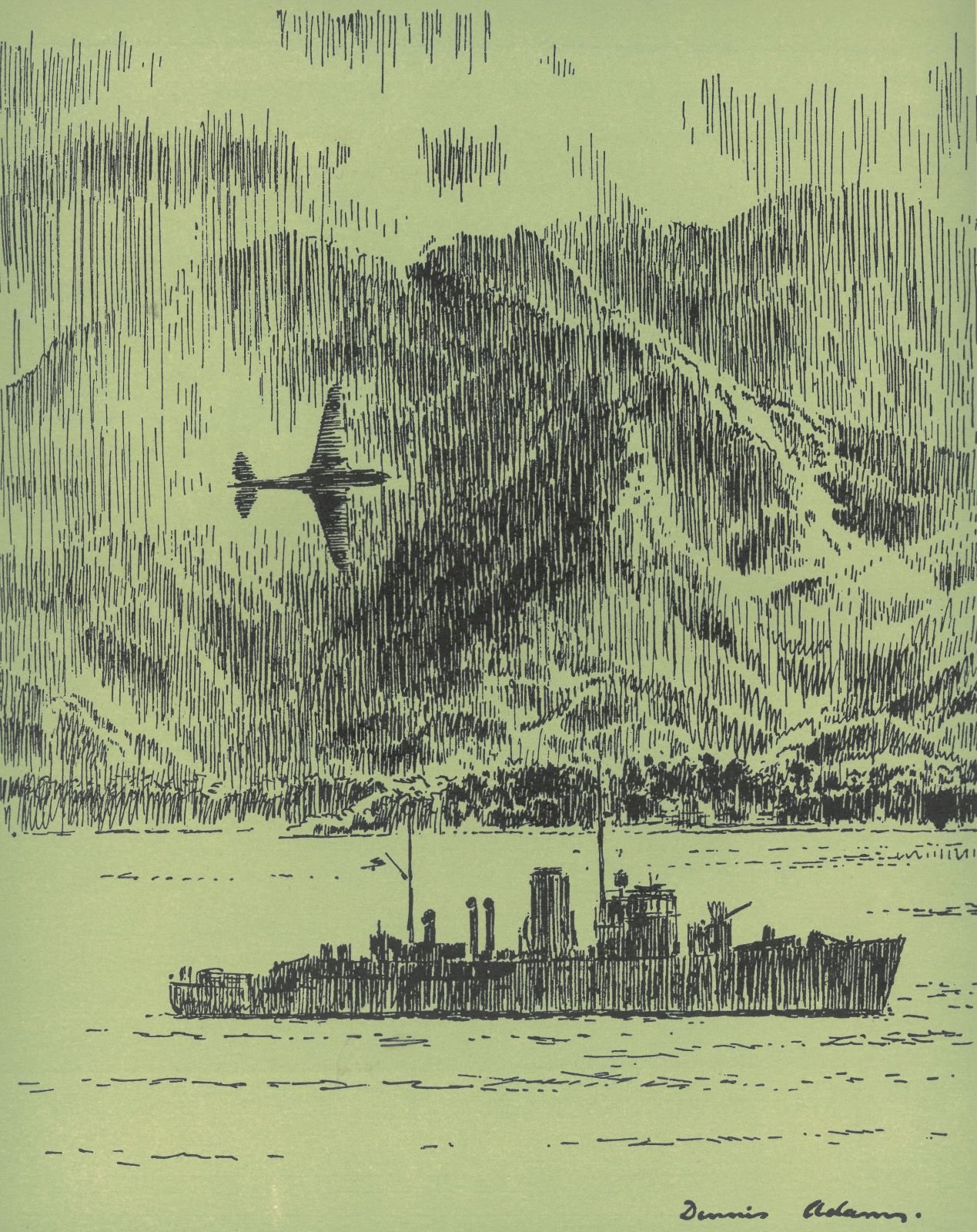
Corvette at Milne Bay
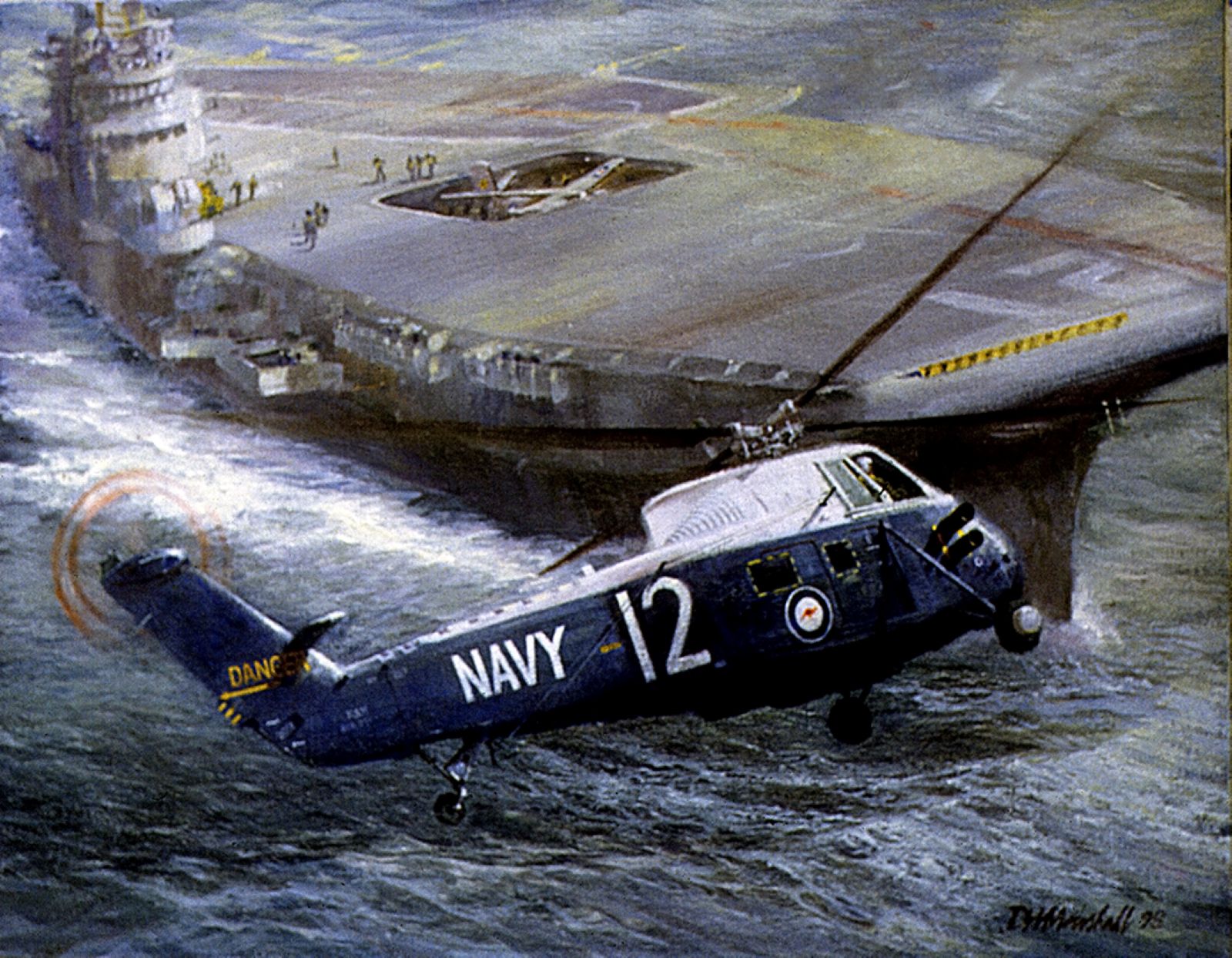
RAN Wessex 31B over HMAS Melbourne (ll)
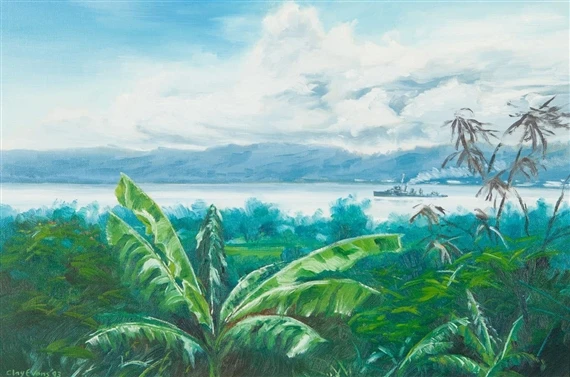
Destroyer Cruising the Tropics
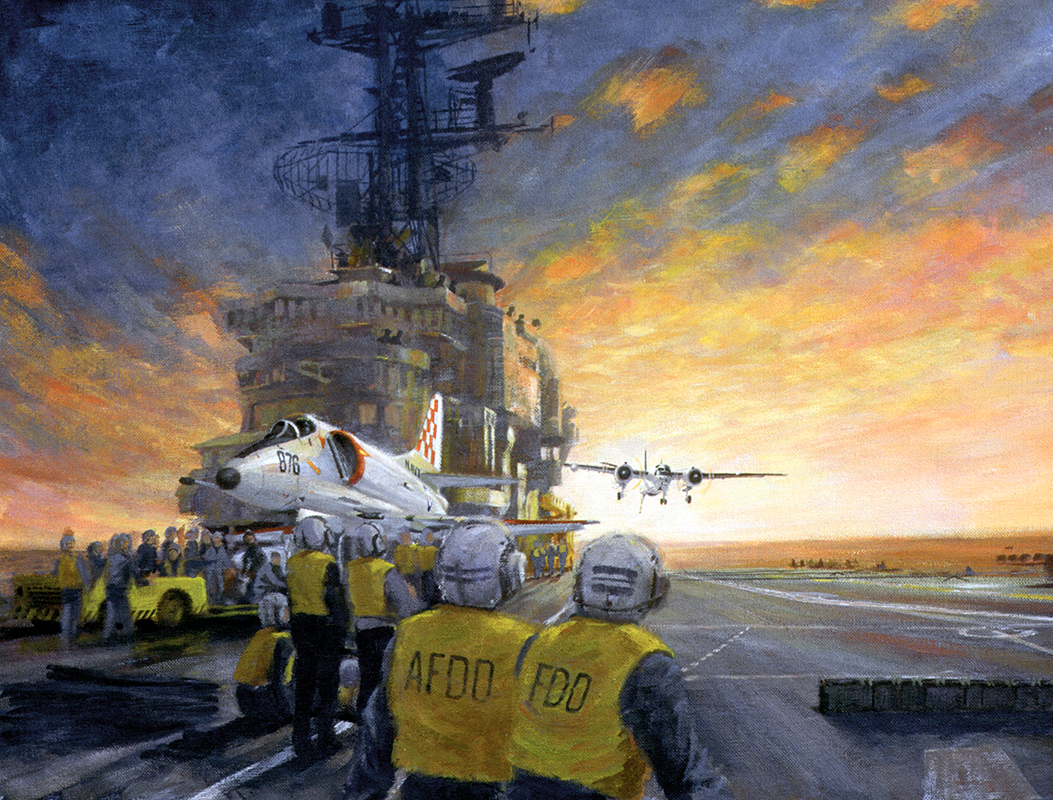
RAN Skyhawks share the deck of HMAS Melbourne (ll) with Grumman Trackers
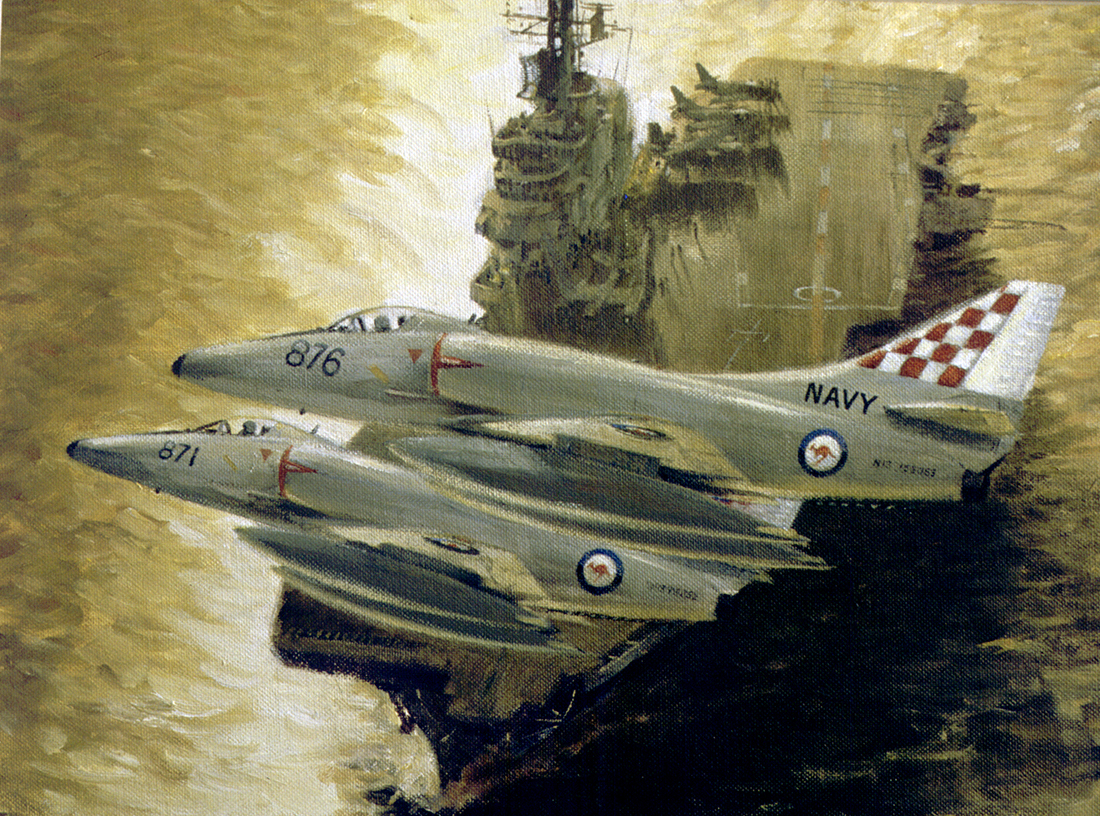
RAN Skyhawks of 805 Squadron climb out over HMAS Melbourne (ll) at sunset
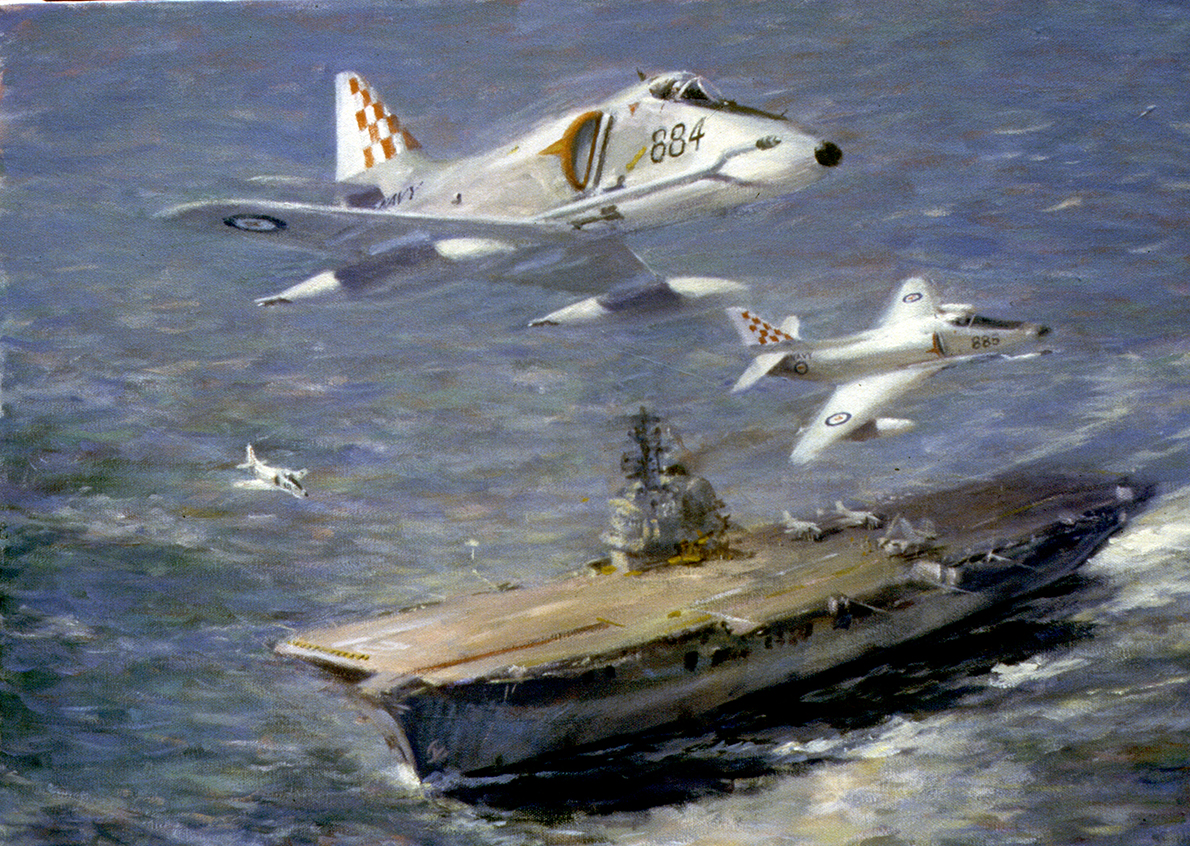
RAN Skyhawks joining formation above HMAS Melbourne (ll)
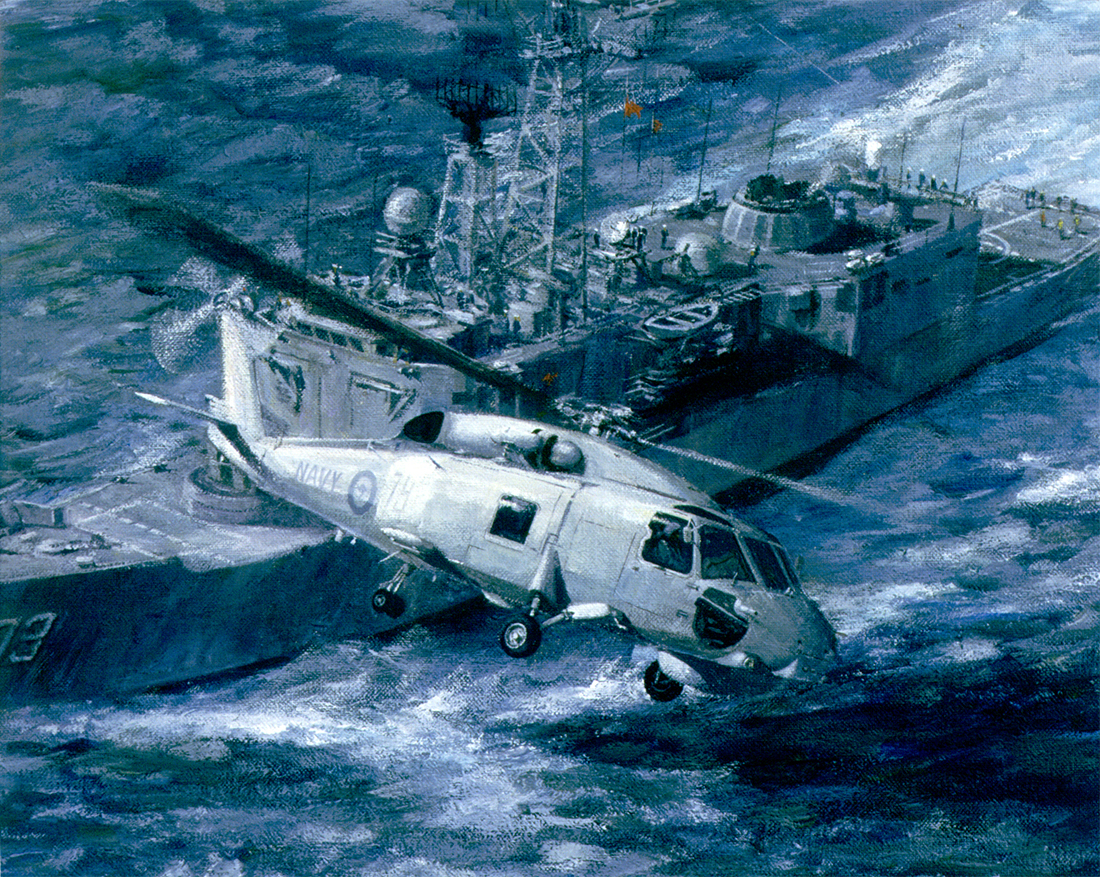
RAN Seahawks over HMAS Sydney (iv)
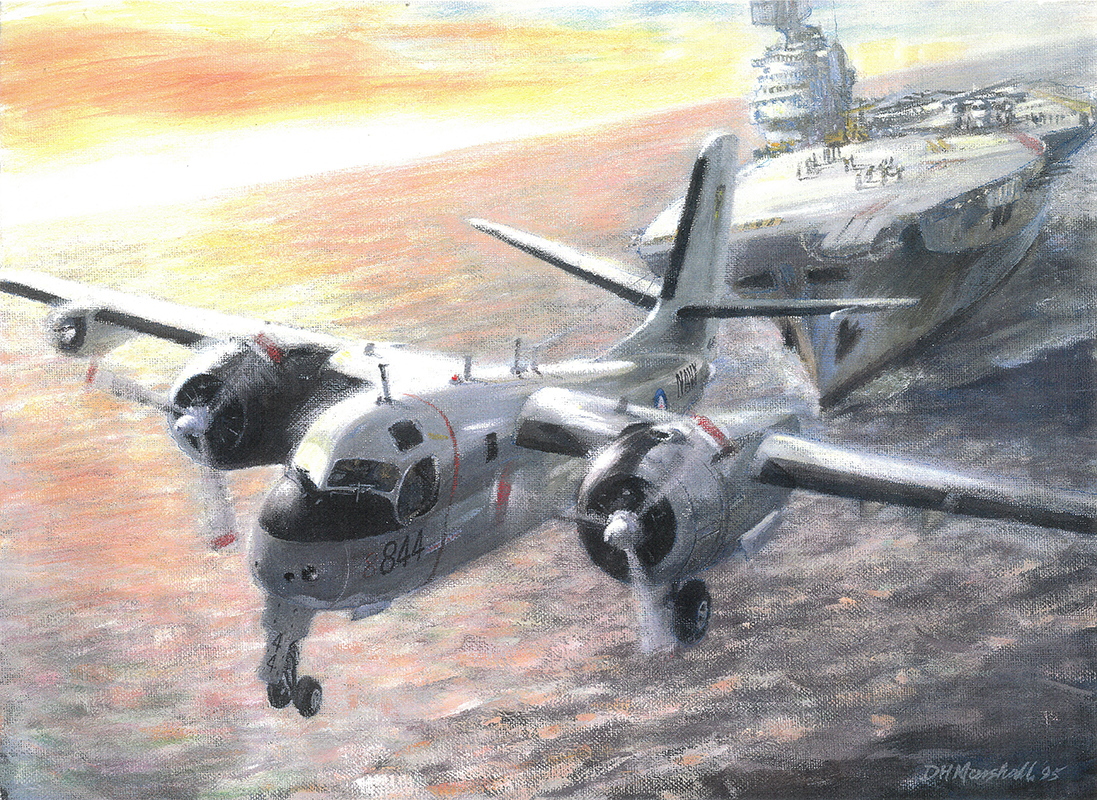
RAN Grumman Tracker taking off from HMAS Melbourne (ll)
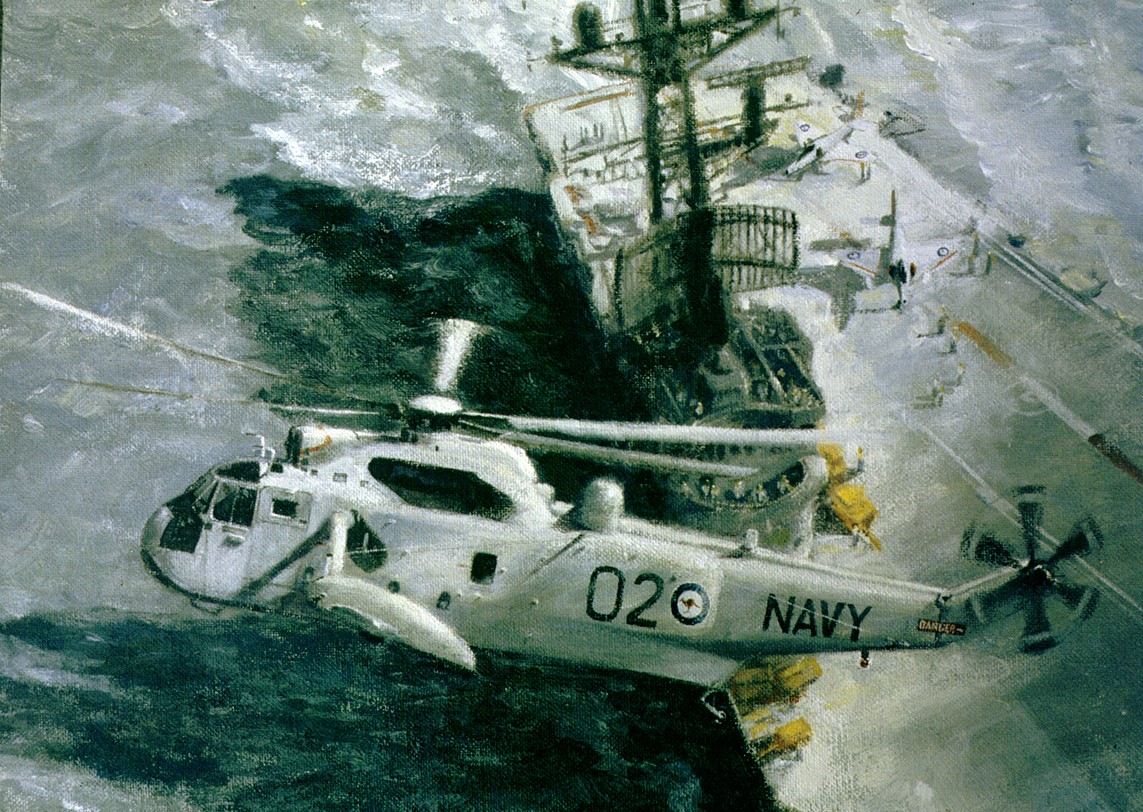
RAN Sea King over HMAS Melbourne (ll)
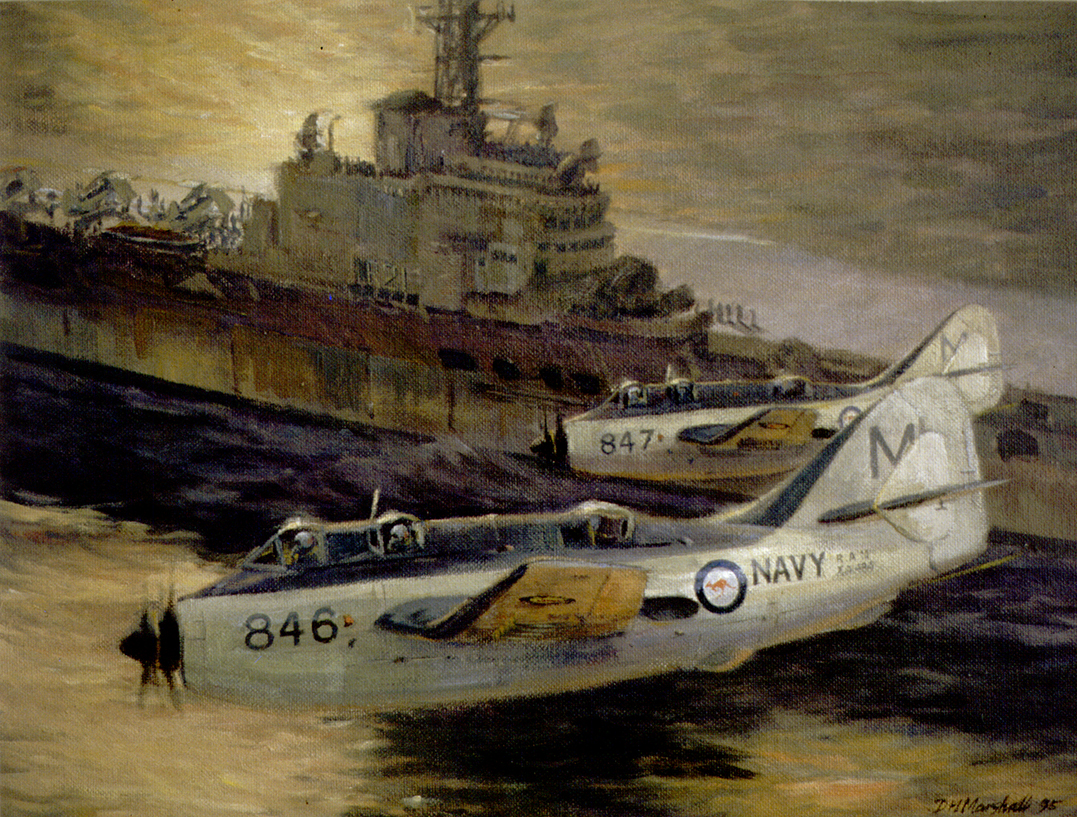
RAN Gannets over HMAS Melbourne (ll)
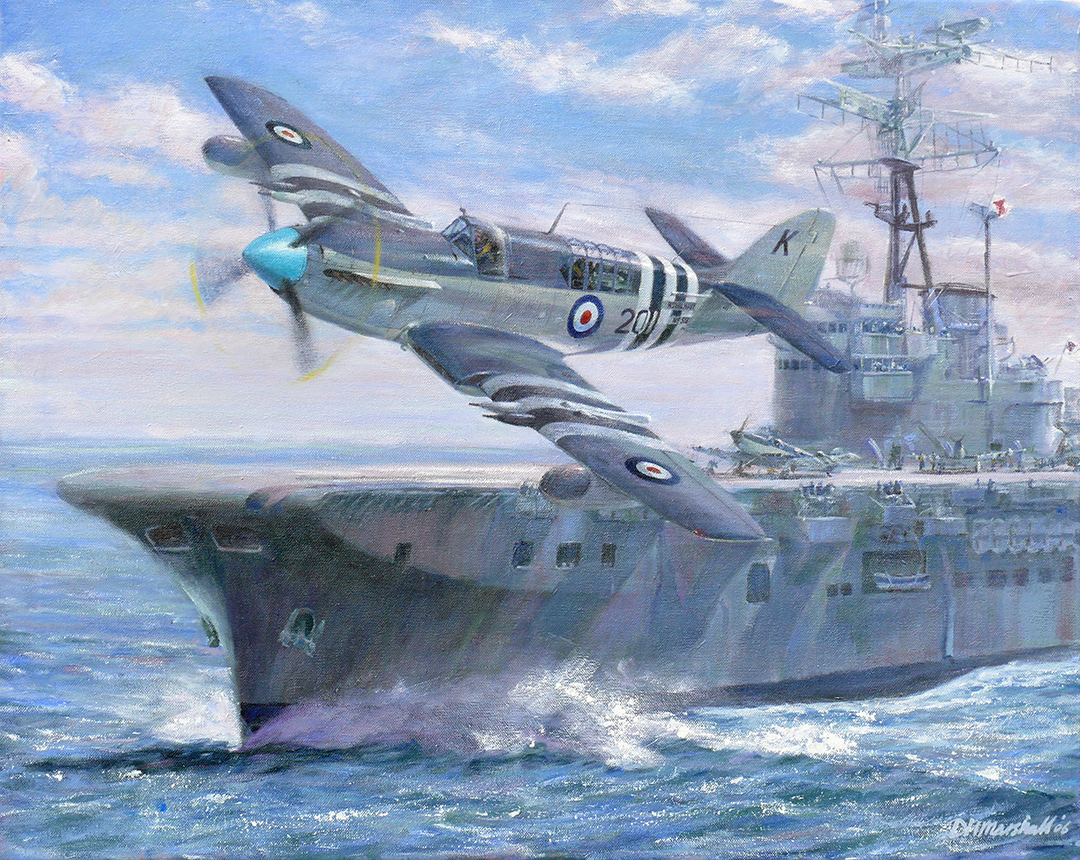
Korean War Battler – A RAN Firefly V makes a low pass over HMAS Sydney (ll)
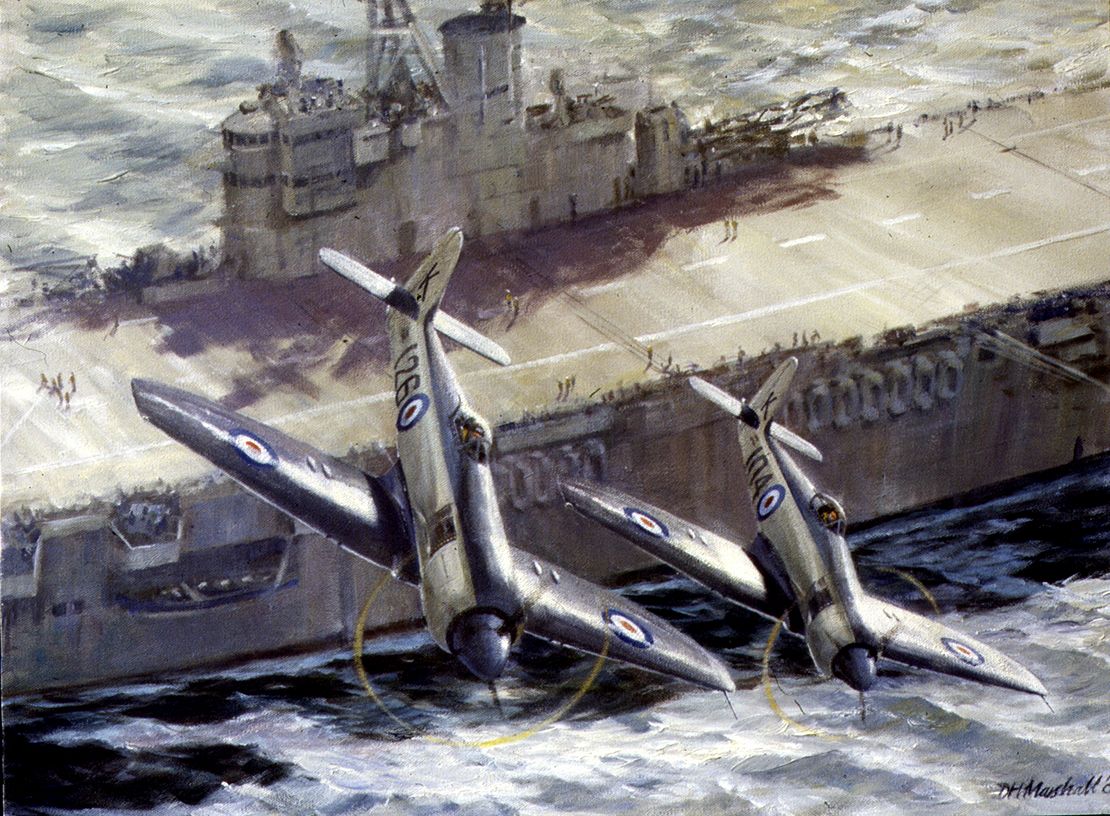
Hawker Sea Fury – The ultimate piston-engined fighter
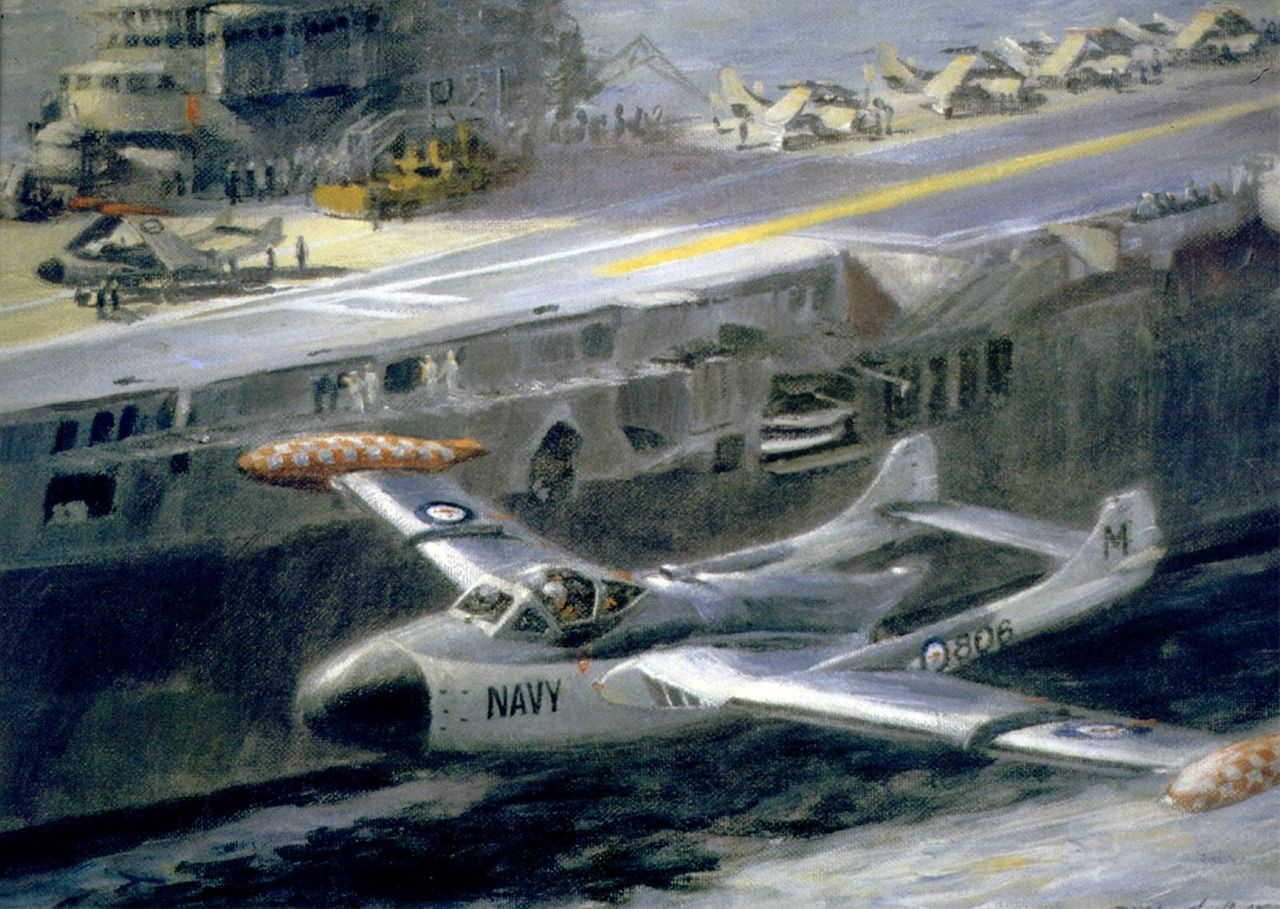
805 Squadron RAN Sea Venom makes a low pass over HMAS Melbourne (ll)
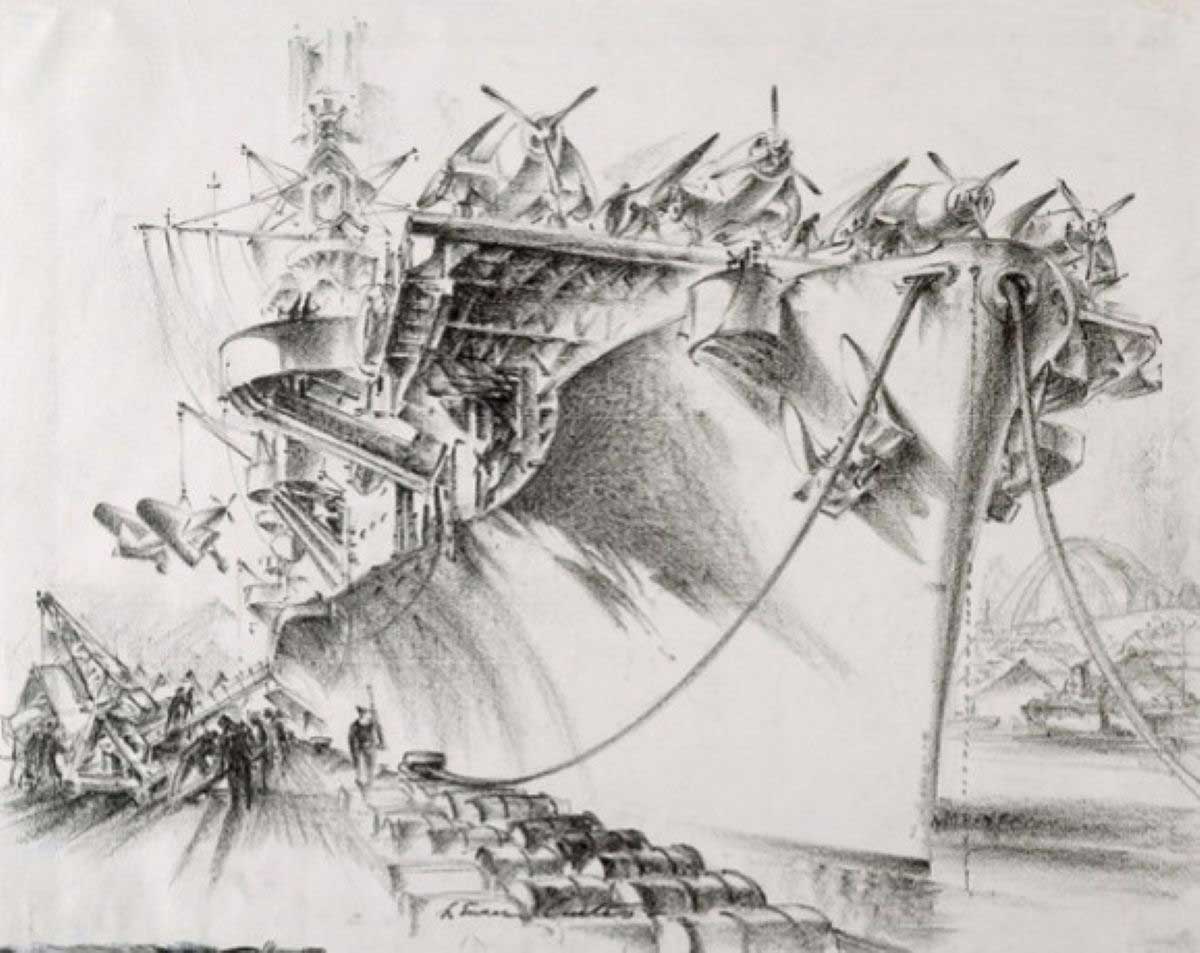
Aircraft carrier, with Grumman Avenger aircraft on flight deck
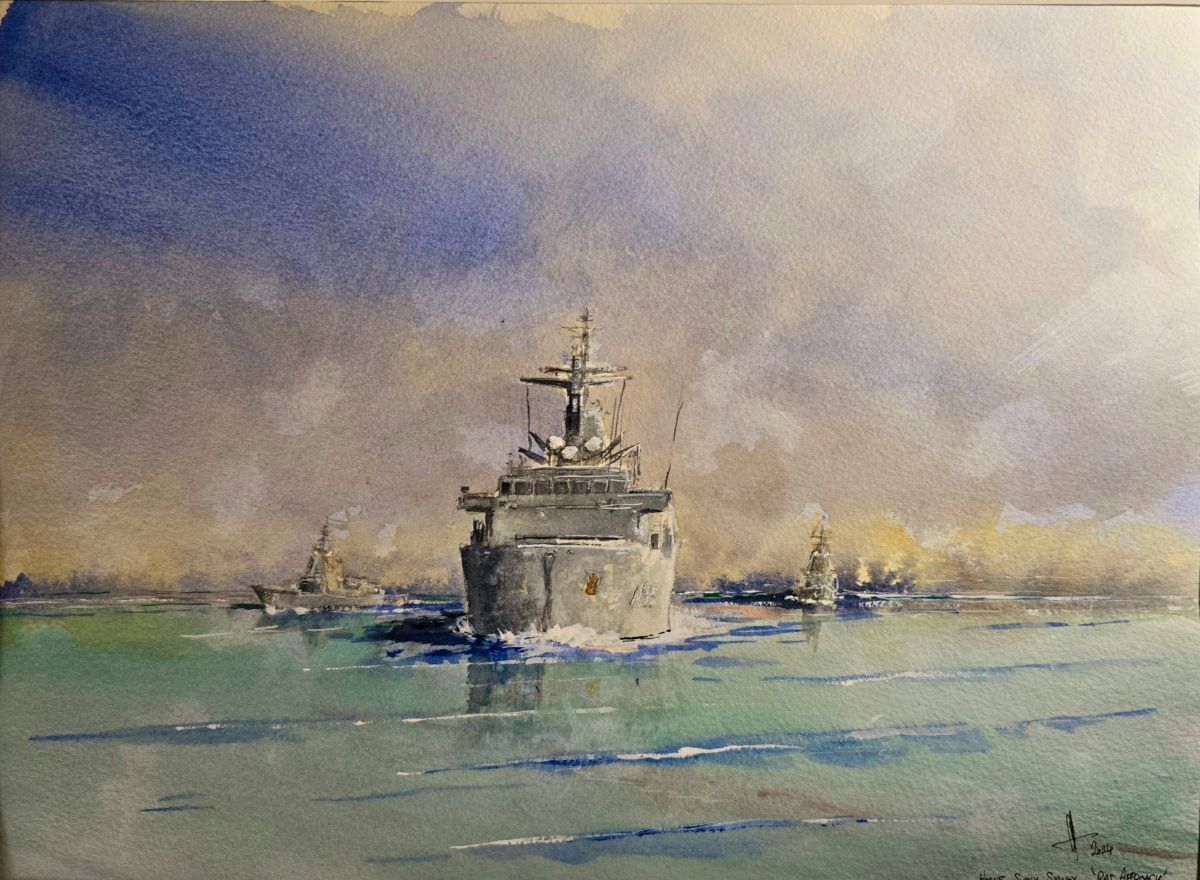
Replenishment at Sea (RAS) Approach, HMAS Supply, Hobart and Sydney
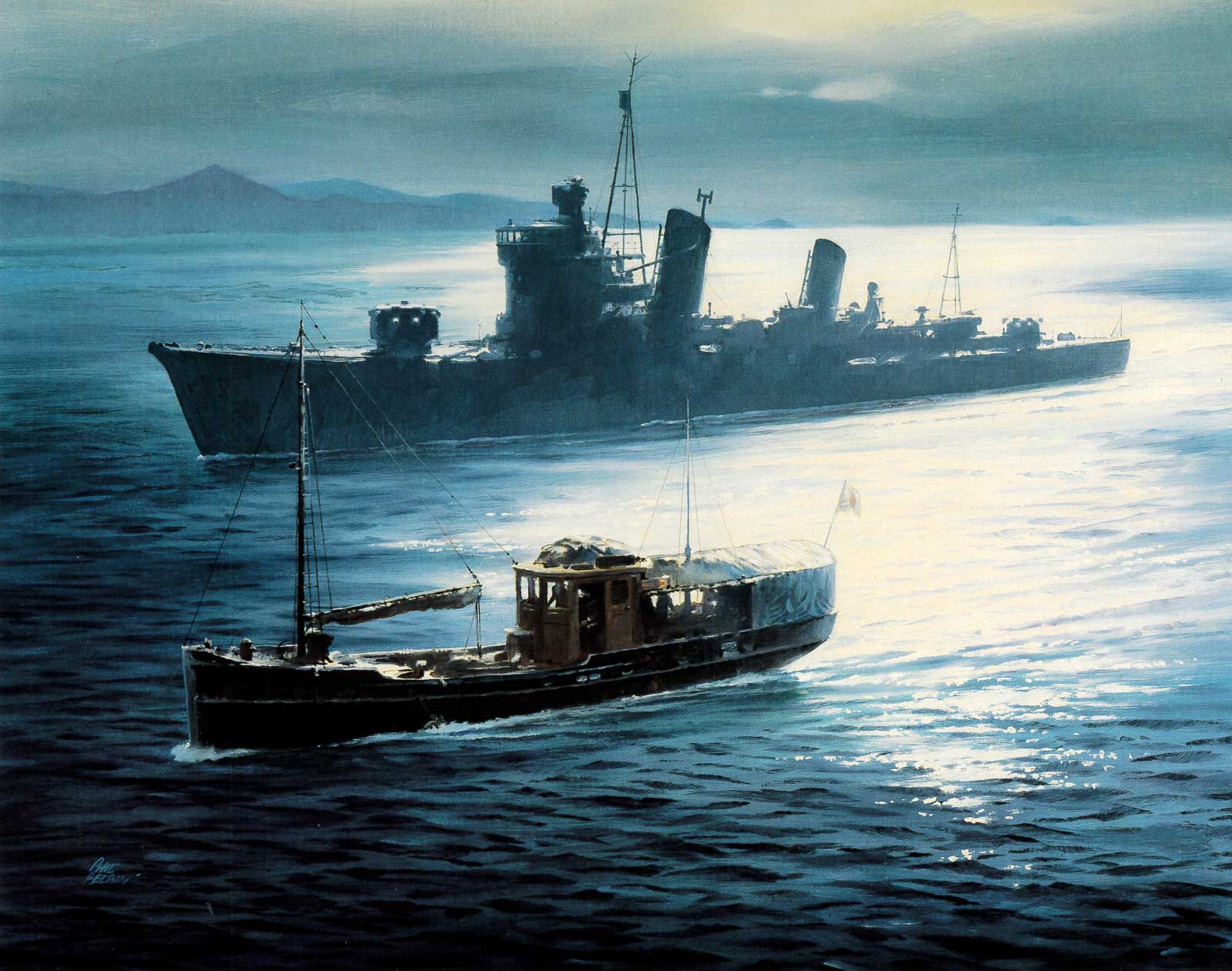
MV KRAIT and Japanese Destroyer in 1943

Troop Convoy and Escort and Hudson Bomber

N Class Destroyers off Libya

Sydney Harbour looking east to Garden Island from Dawes Point