Repel Aircraft
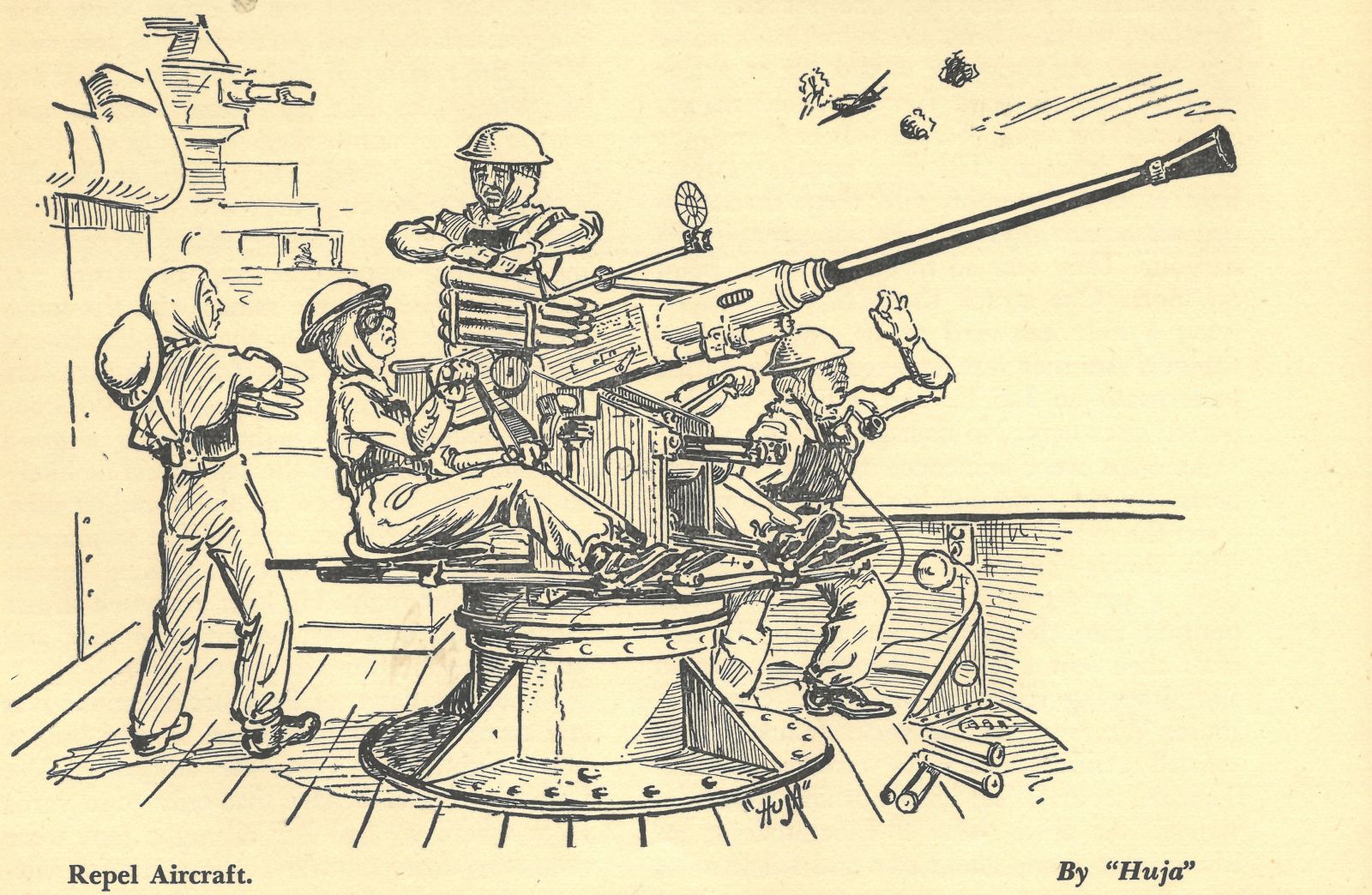
- About H J Anderson
Hugh James Anderson (pseudonym “Huja”)
(Born Brisbane Queensland 15 March 1919. Died ?)
There is little known about this artist.
The Australian War Memorial states there was a Petty Officer Hugh James Anderson, service number 21071, enlisted on 5 May 1936 and was discharged on 20 May 1949. Hugh served in HMAS Warramunga during WW2 and received a “Mention in Despatches” for distinguished service. This is the only Petty Officer H. J. Anderson in the RAN during the period in which “Huja” cartoons appear.
“Huja” is almost certainly derived from HUgh JAmes — a typical wartime contraction used by sailors who produced unofficial art, cartoons, and shipboard newsletters.
Although not formally an official war artist, “Huja” appears in items such as shipboard newsletters and mess‑deck publications and humorous cartoons circulated among RAN ratings. These works were informal, morale‑boosting, and rarely archived.
Informal naval artists like “Huja” are increasingly recognised as important primary sources about daily life aboard Australian warships and rare visual records of humour, culture, and morale. Such work is now sought by naval museums and private collectors.
If you have any information about “Huja” such as where he was educated, did he attend art school and what work did he do after being discharged from the navy.
If you can provide any information to us about Hugh it would be most appreciated.
- About Sailors at work
Since entering World War 1 in 1914 with 16 ships, two submarines and 3800 RAN personnel (including 850 from the Royal Navy) the number of serving personnel in the Royal Australian Navy has fluctuated depending on the strategic and shifting financial environment. Over more than a century, the RAN’s and people have seen action in every ocean of the world.
Of the tens of thousands who have served, 2658 members have made the ultimate sacrifice defending Australia’s interests in warlike and peacetime operations across the globe.
Fortunately, for the vast majority who served in periods of peace or survived periods of hostilities the experience was positive.
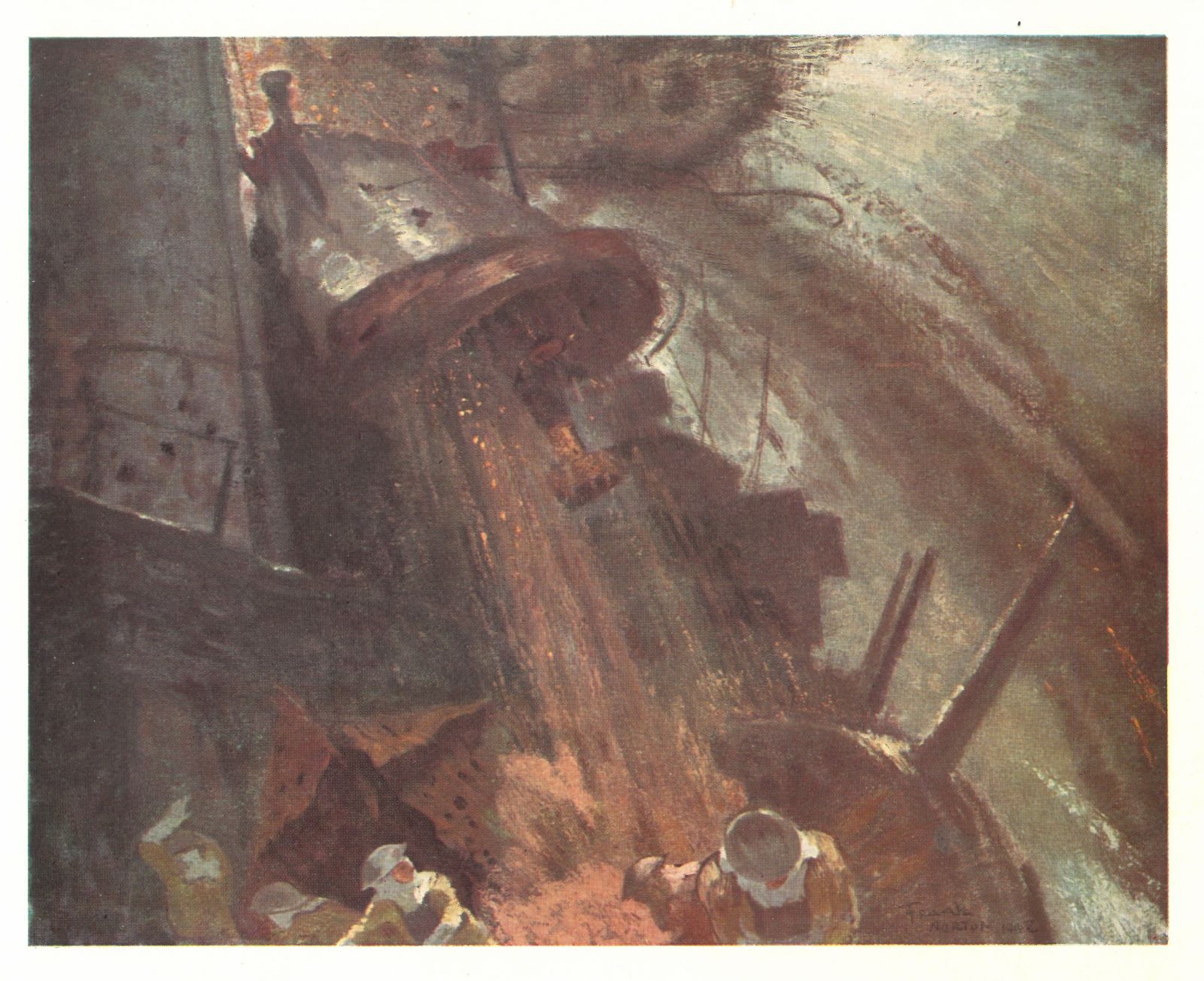
In addition to their service in a particular category which involved specific duties, they also participated in communal duties such as coaling ship. Thus, the artworks included in this section relate to a mix of specialist and communal activities.
More reading
- Additional resources for Sailors at work
Path of the Kamikaze
WRANS Transport Driver at Flinders Naval Depot
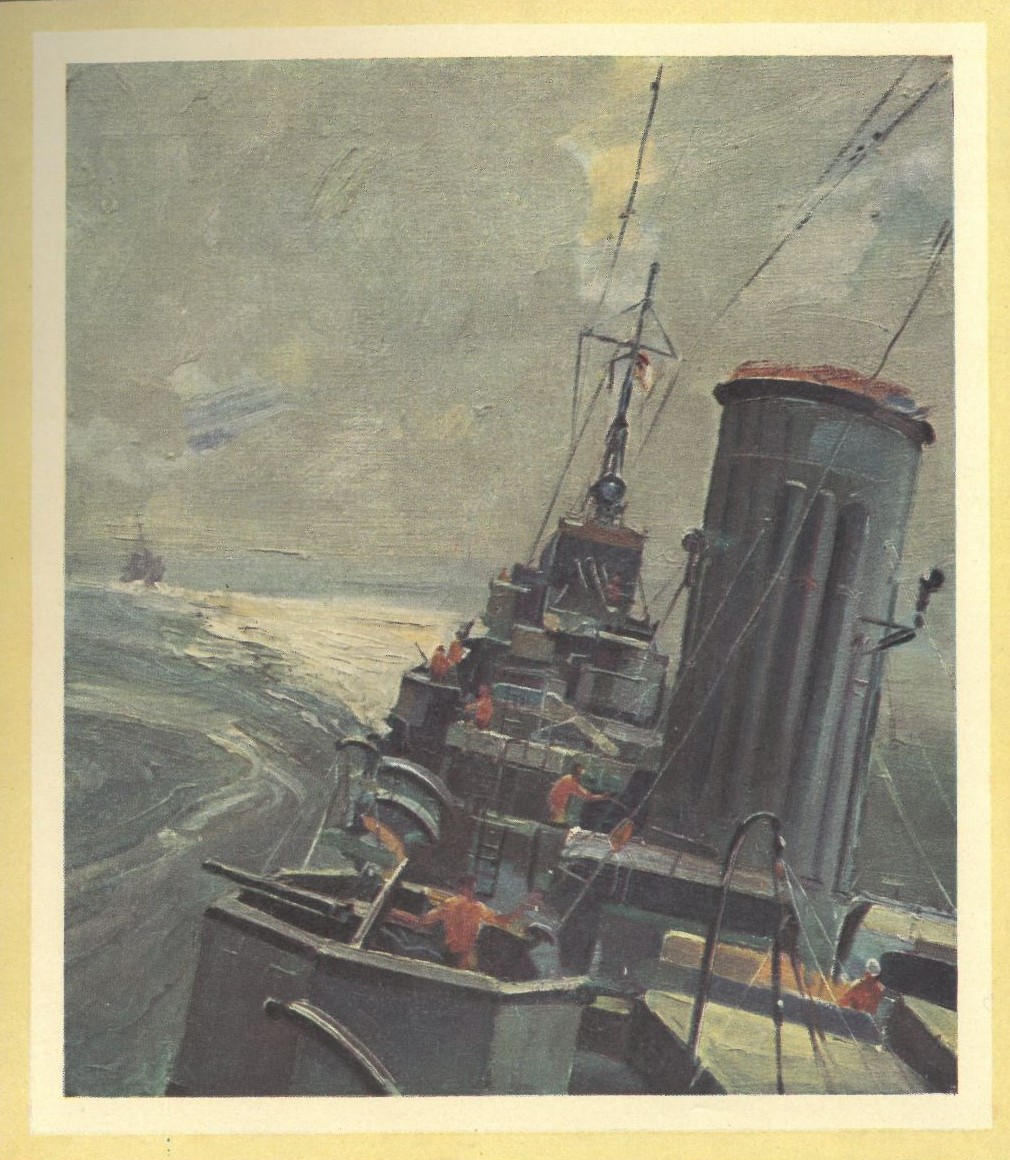
HMAS Arunta en route from the Admiralty Islands
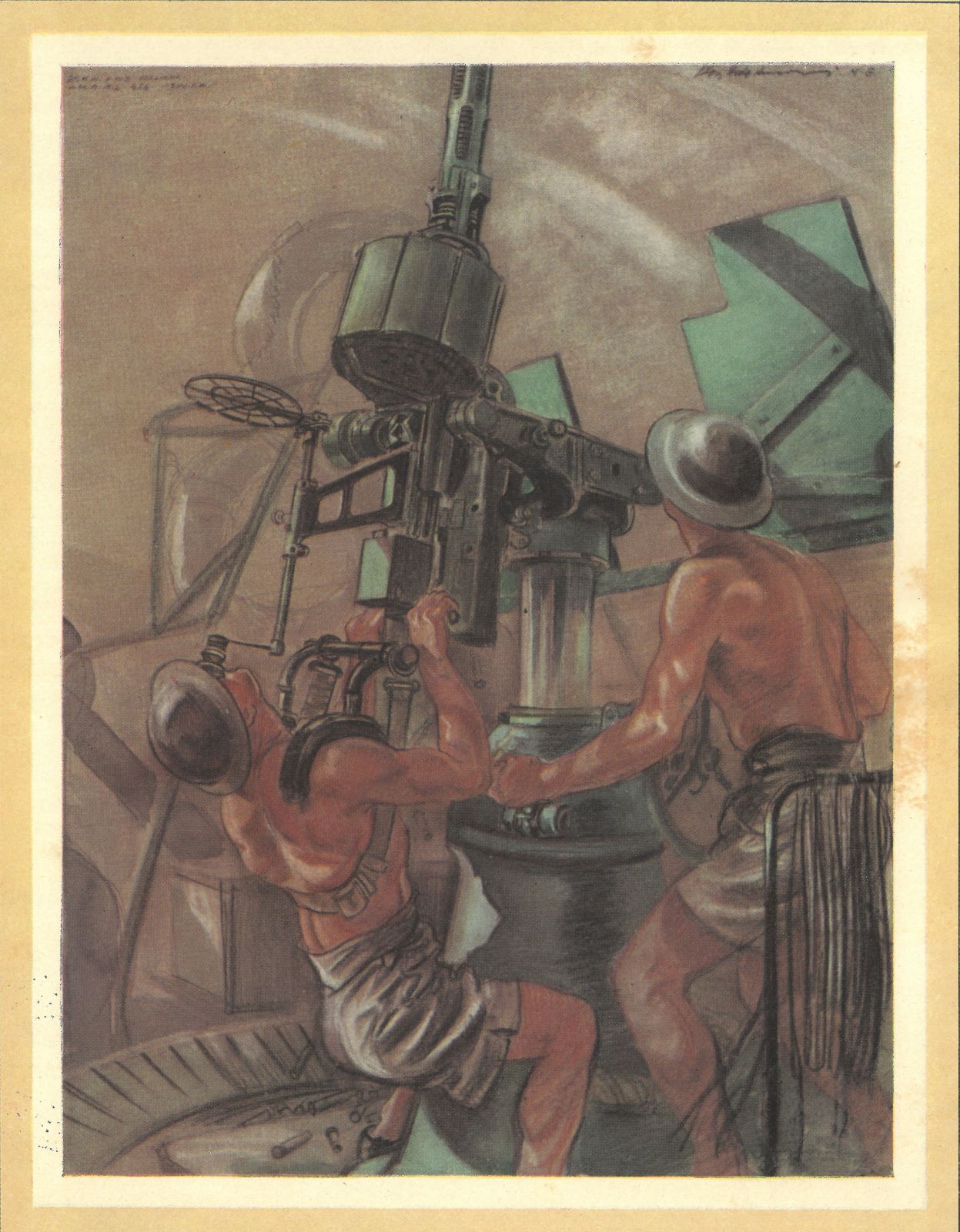
The Oerlikon Gunners
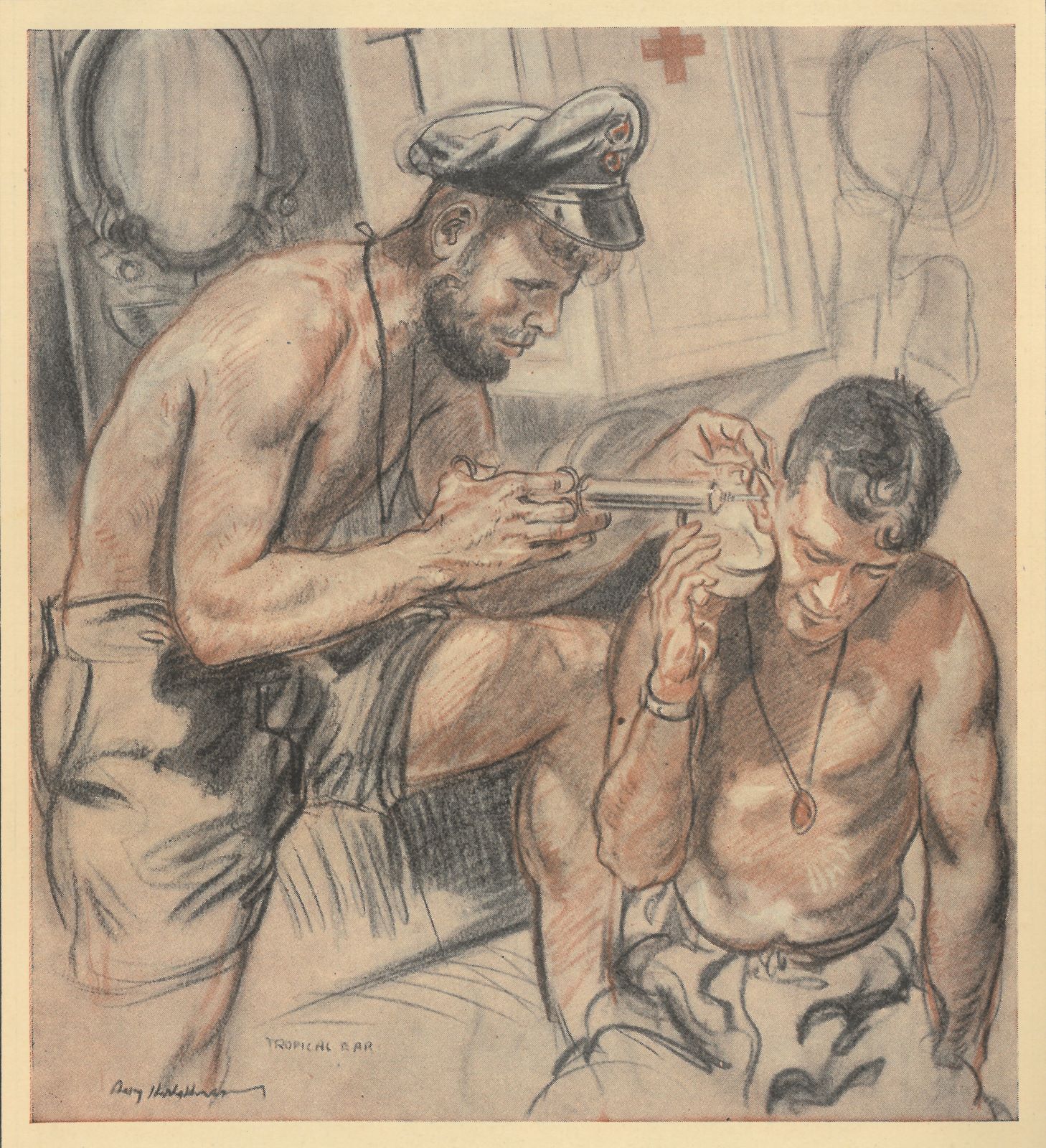
“Tropical Ear”. The SBA at work
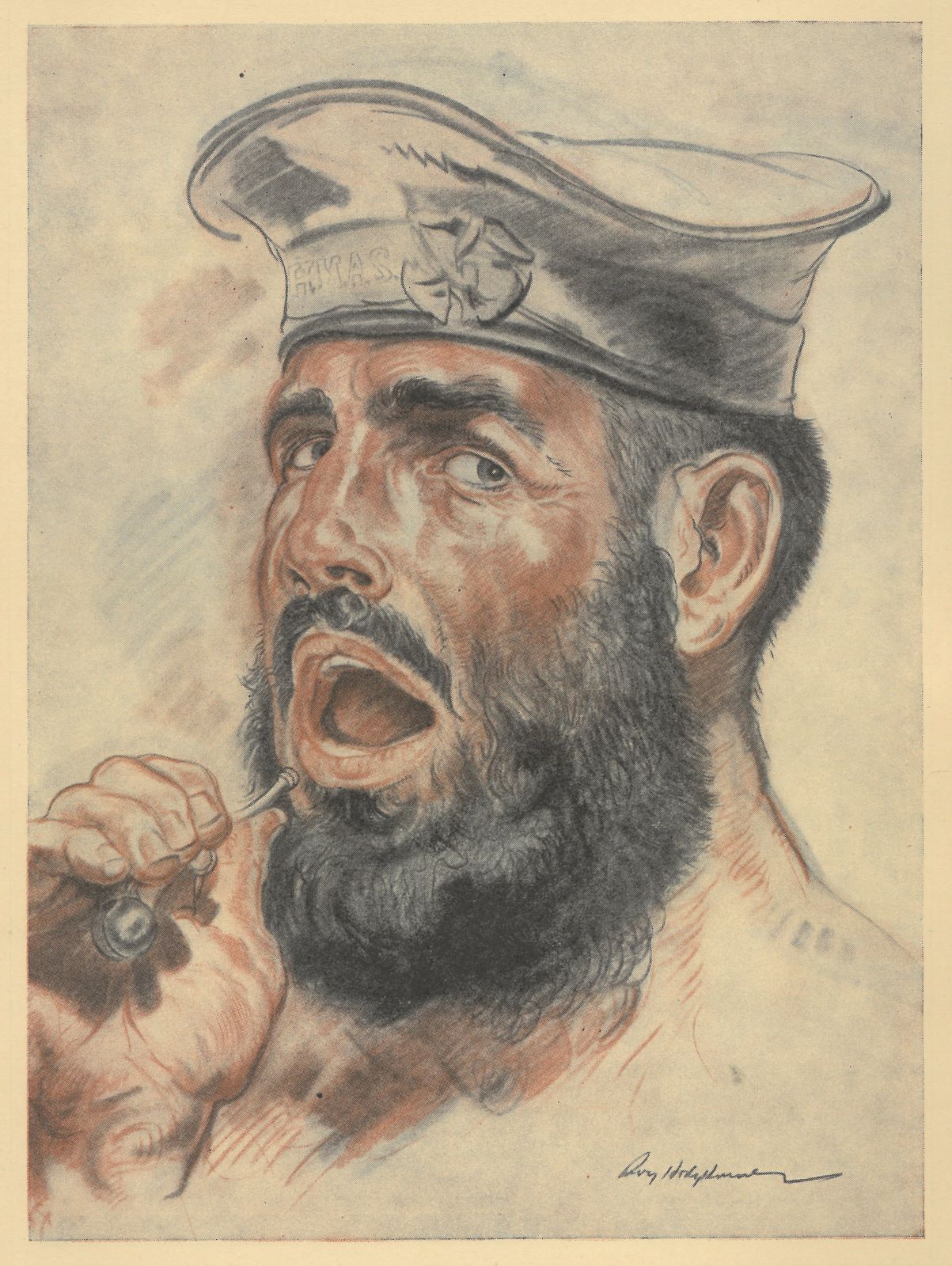
The Bos’n’s Mate
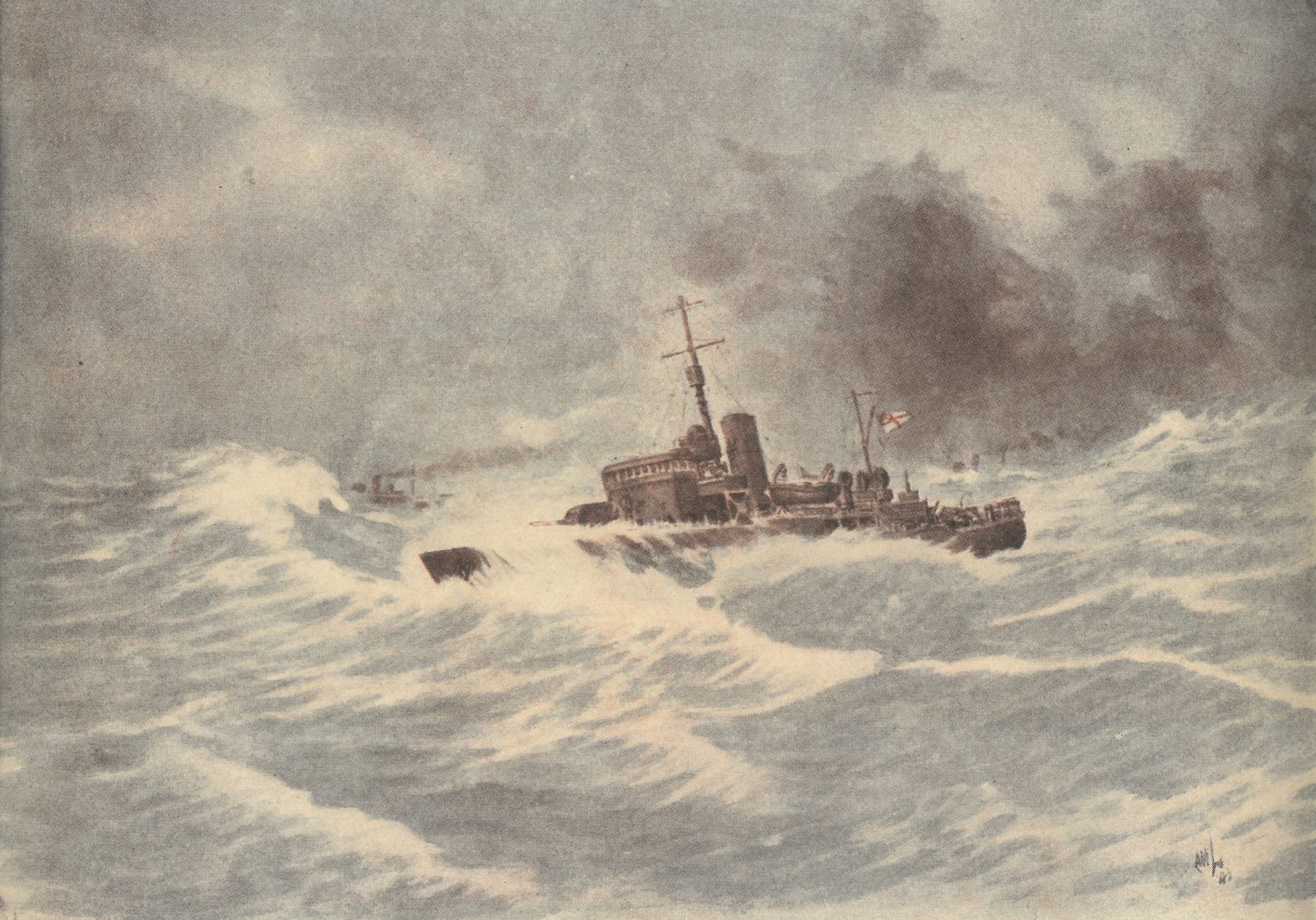
Corvette in Coral Sea
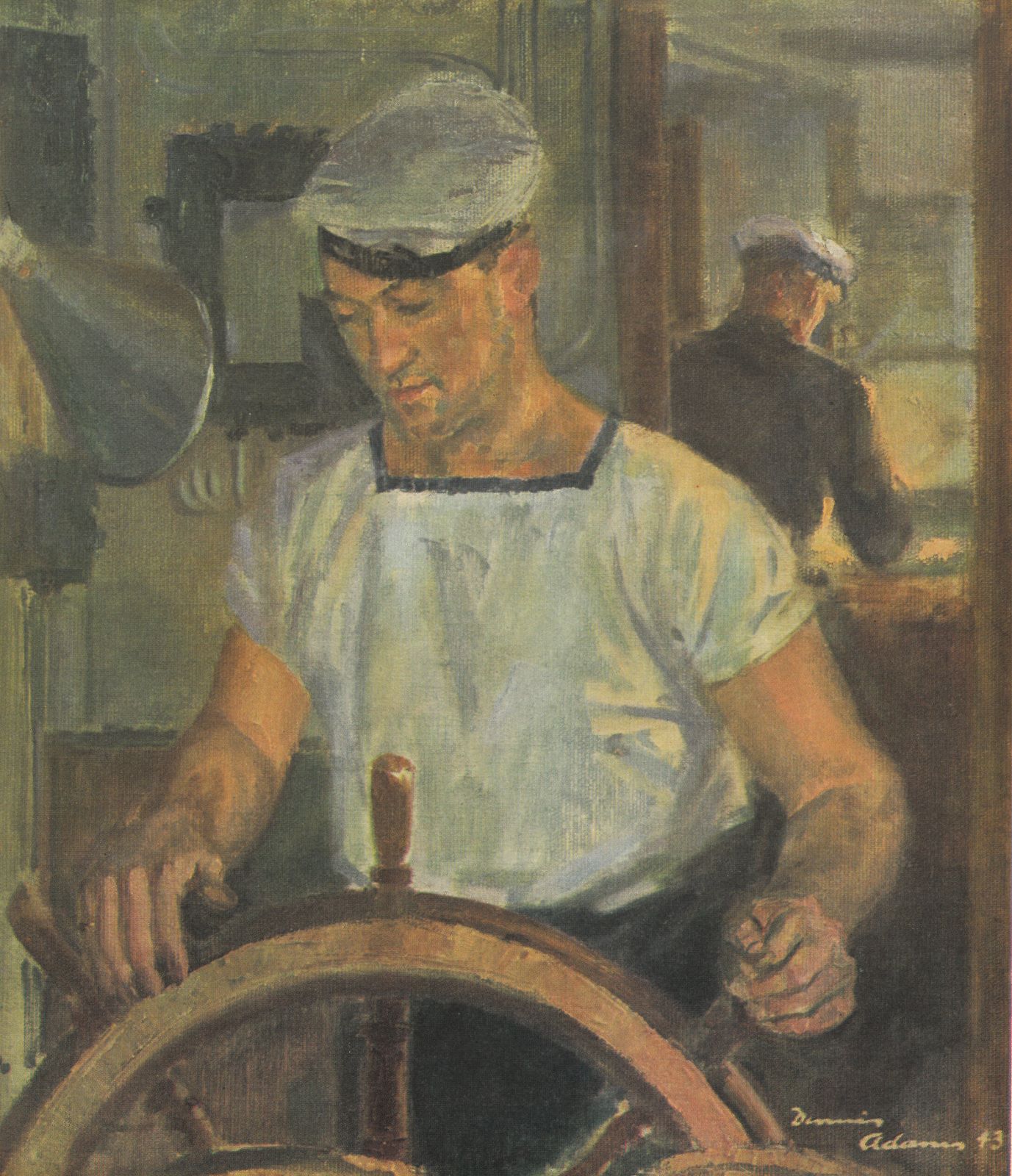
At the Wheel
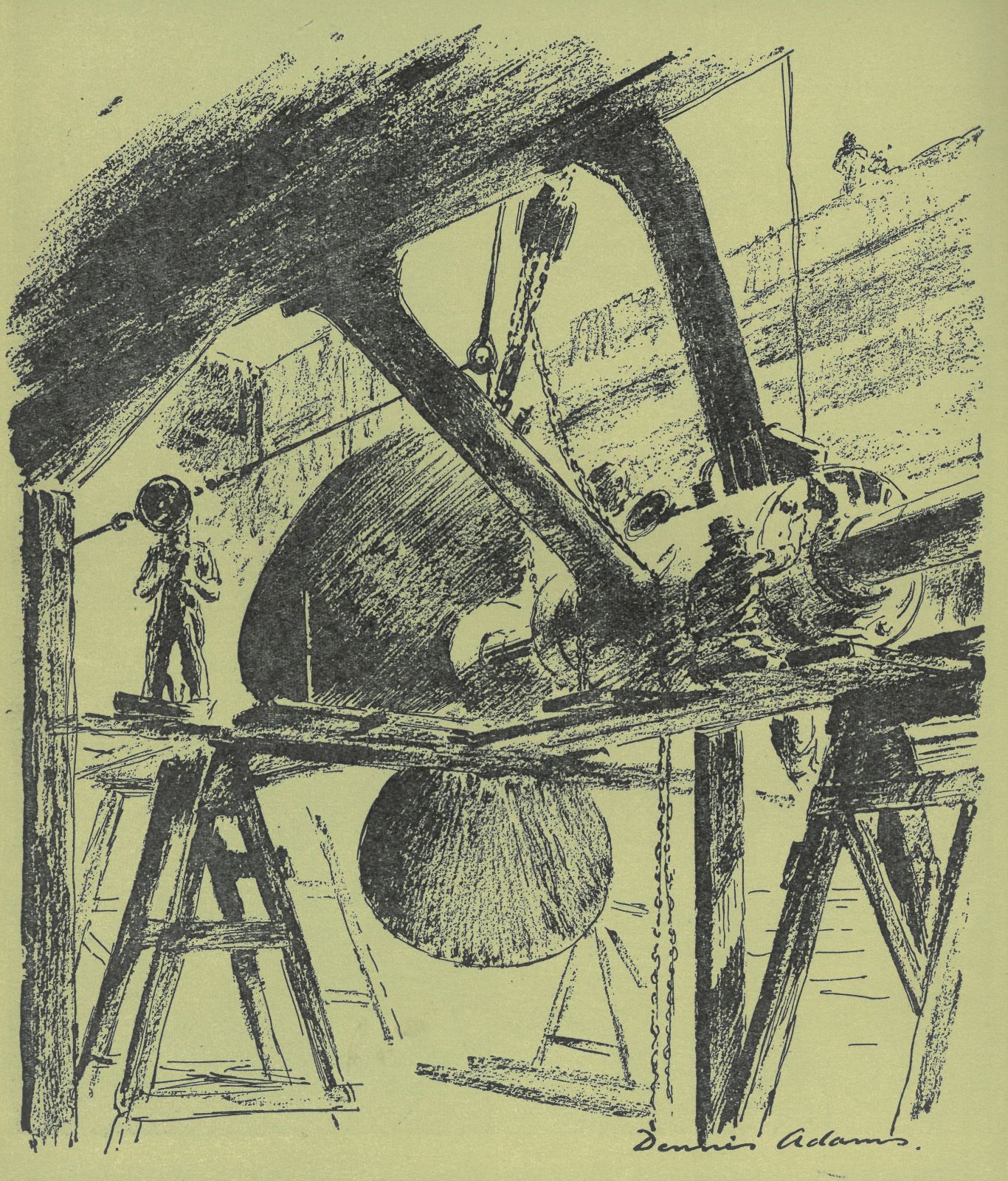
In Dry Dock
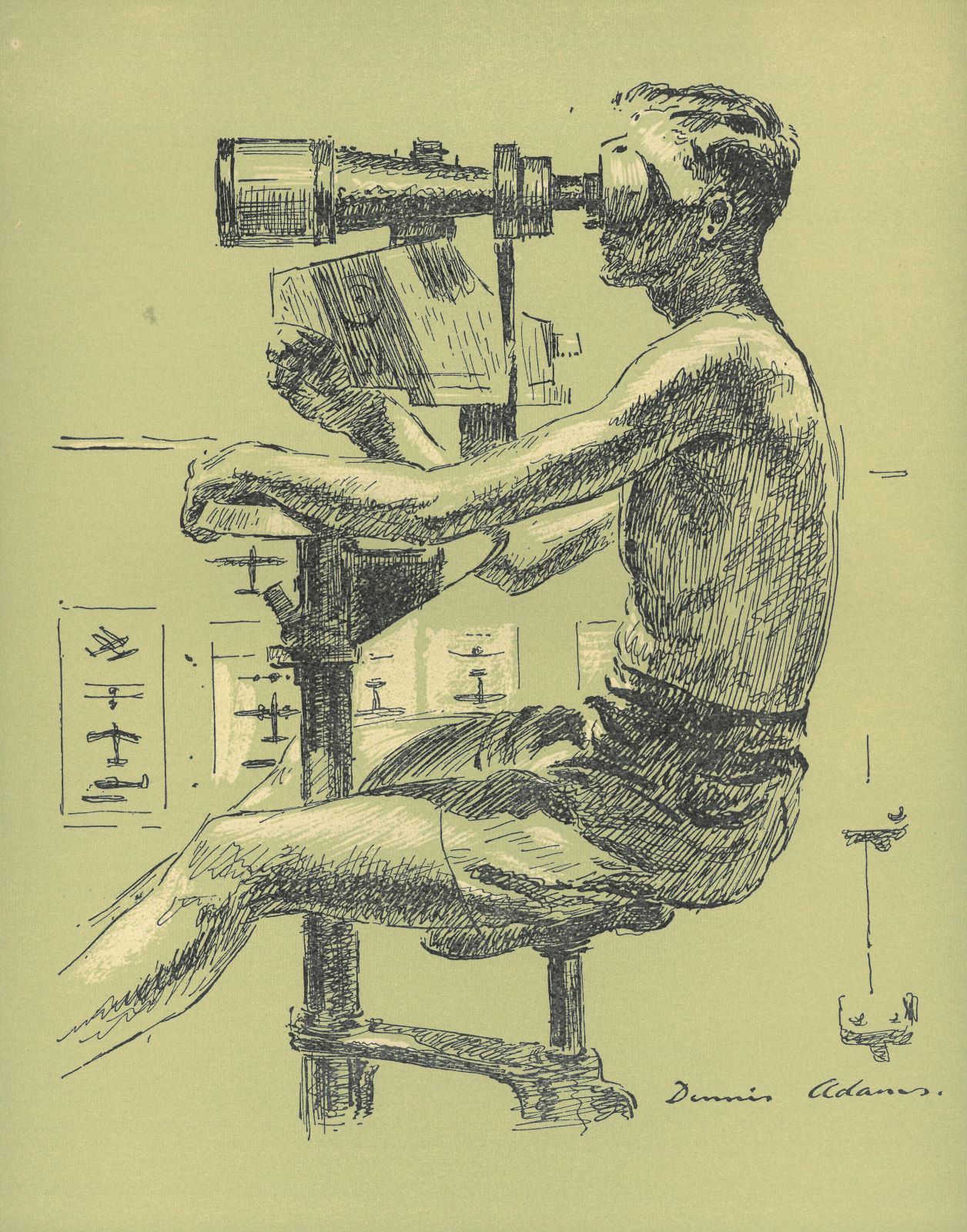
Starboard Lookout
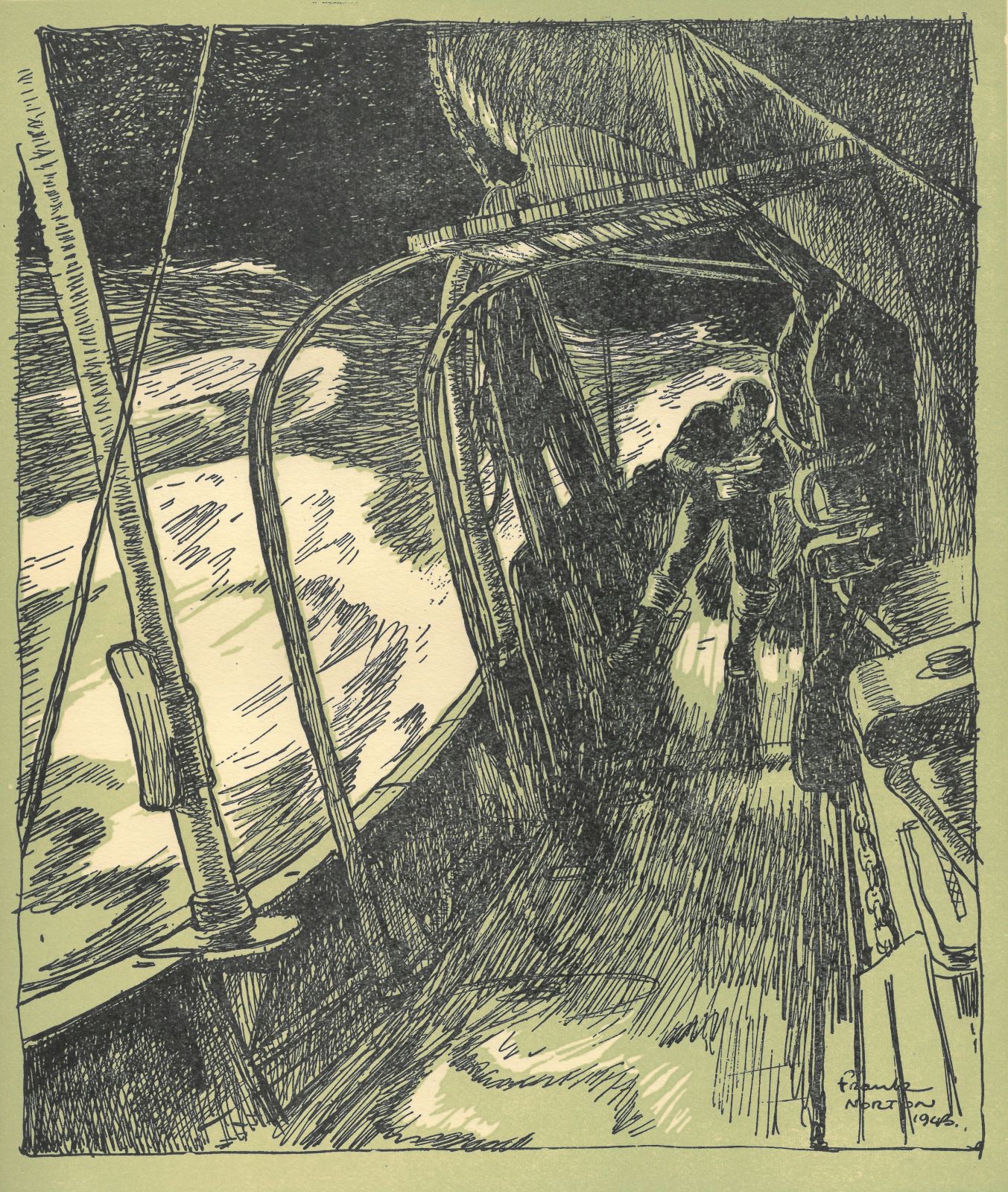
Hard Lying
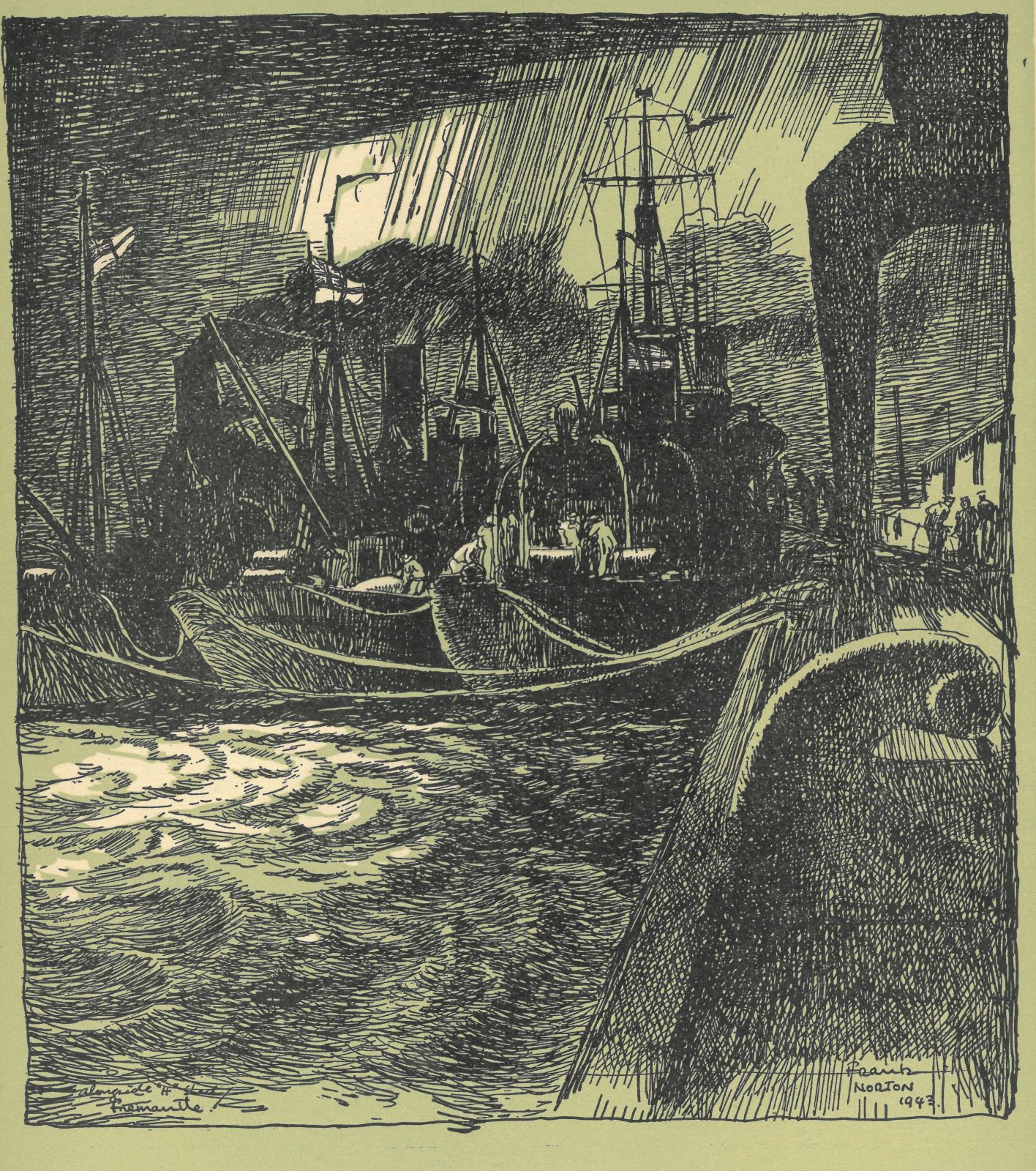
Sweepers Berth Fremantle
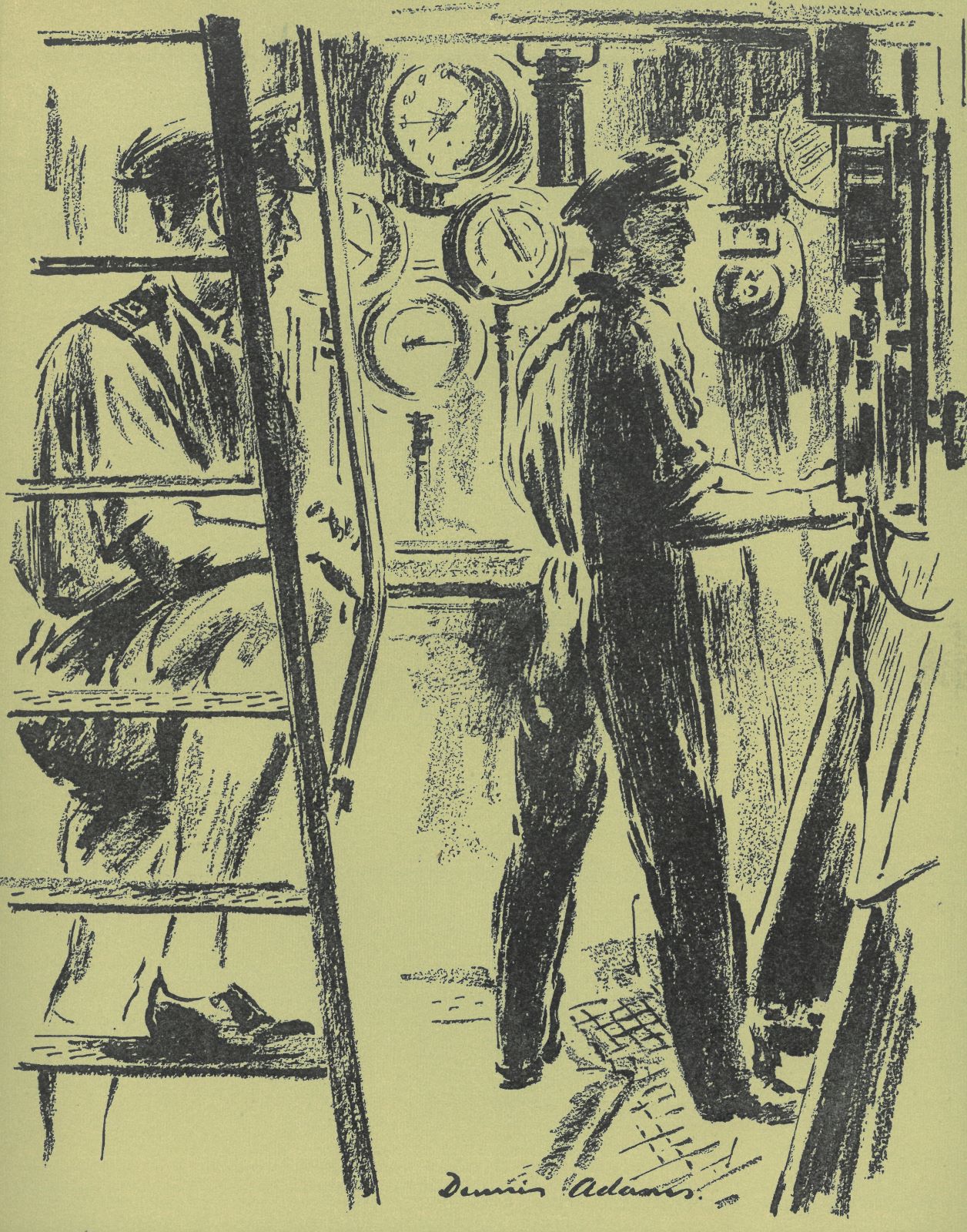
Corvette’s Engine Room
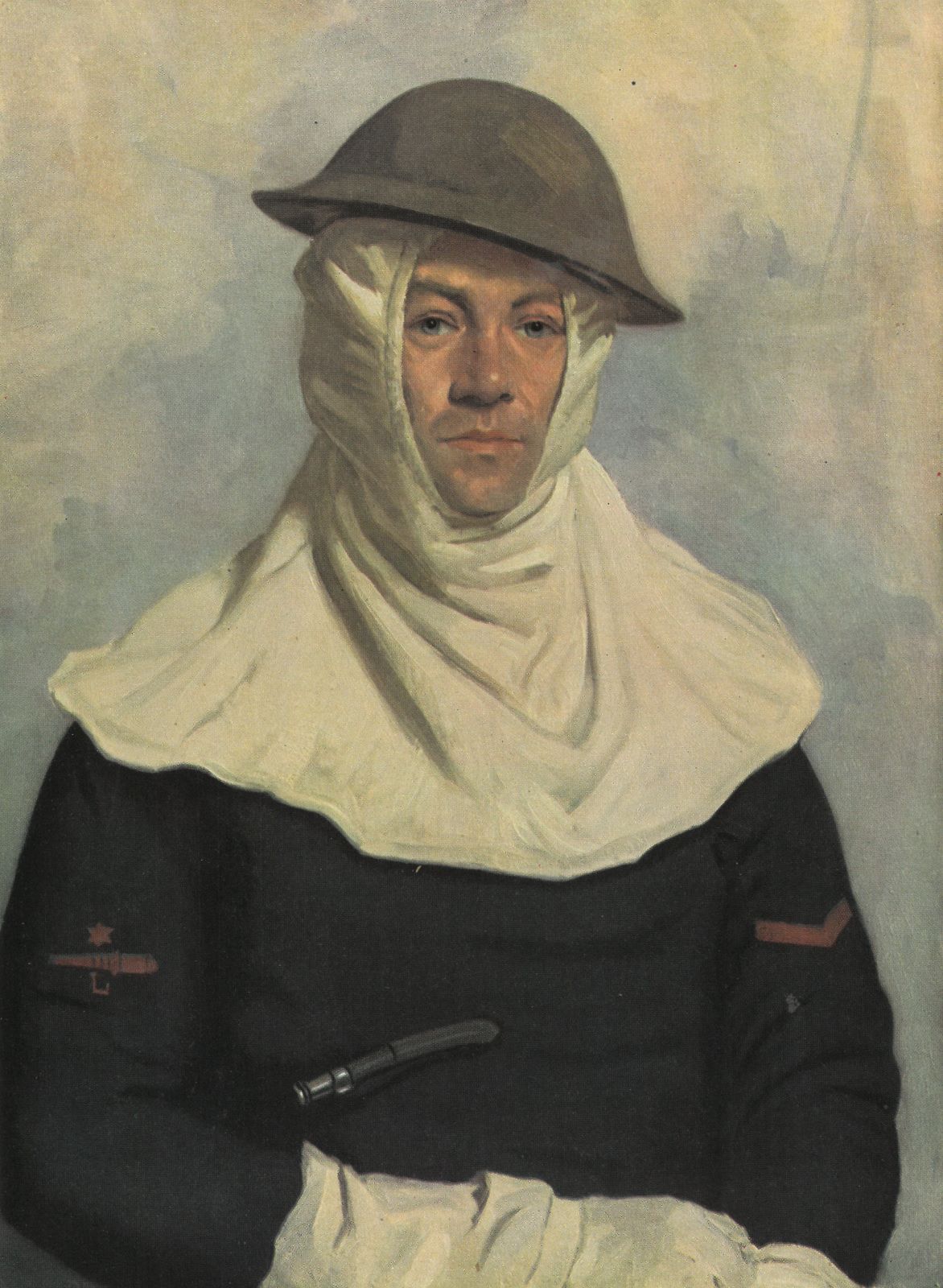
Able Seaman

Hoisting the Motor Boat
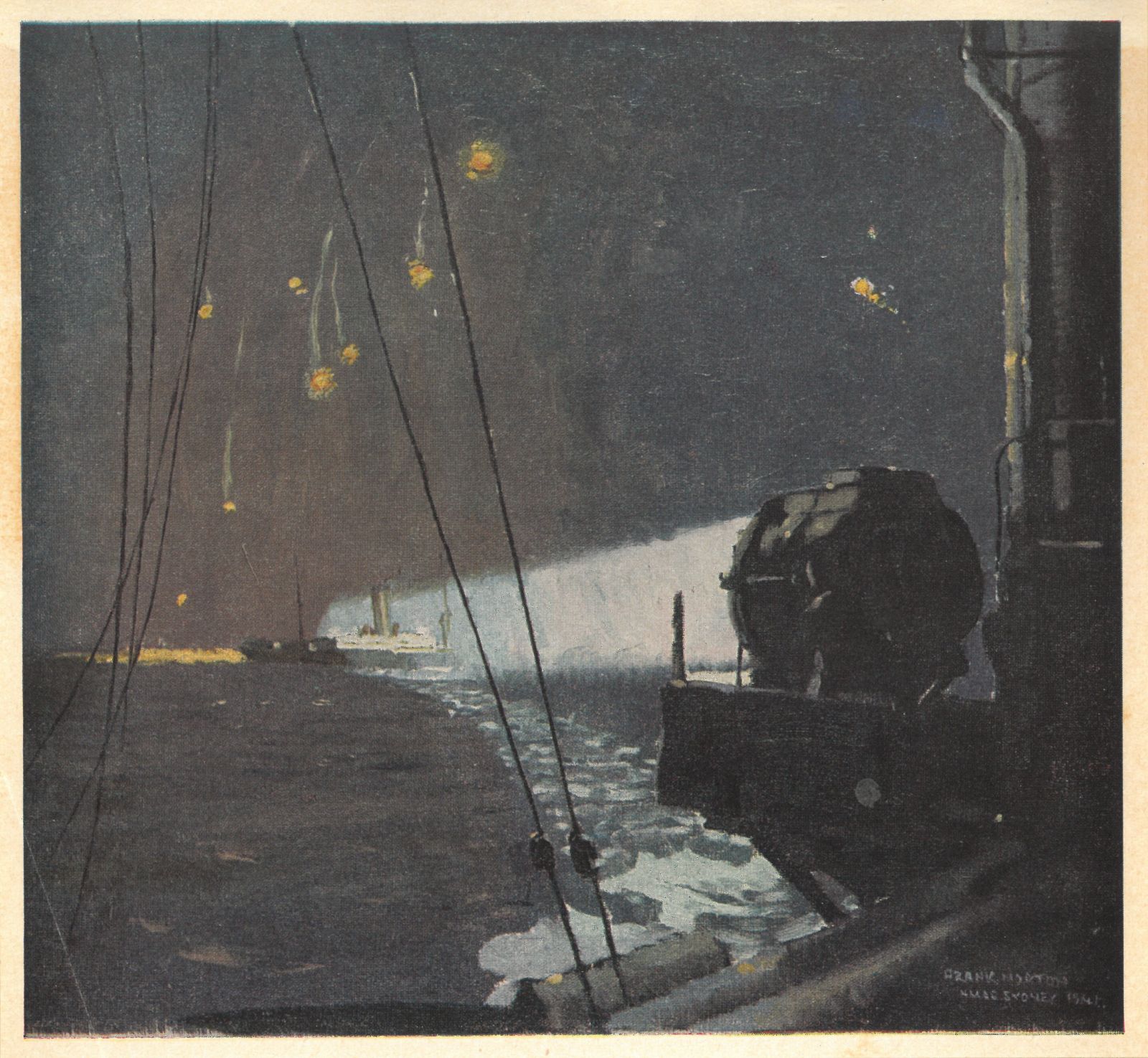
Night Encounter

Naval Telephonists Tobruk

In the Torpedo Workshop
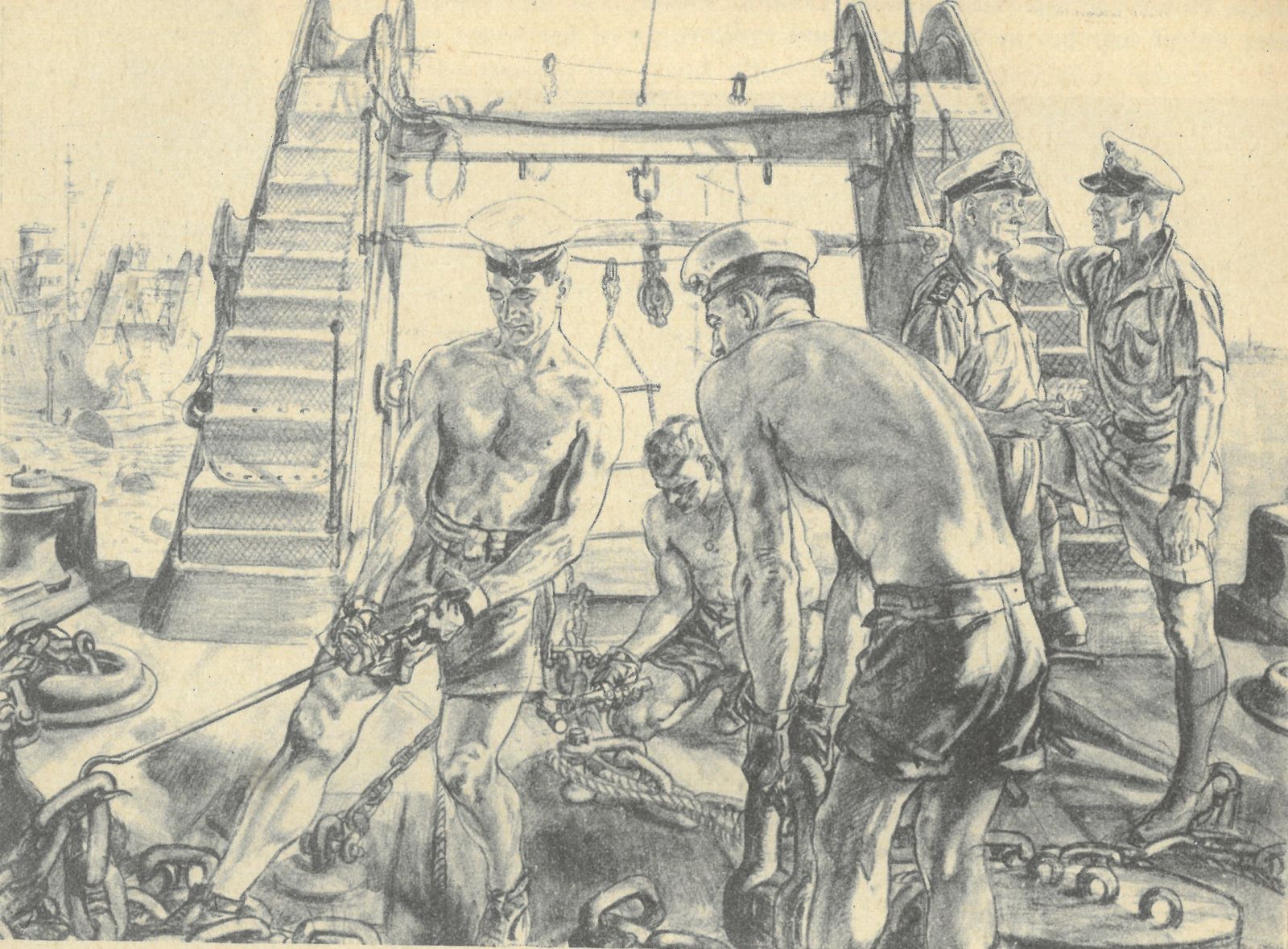
The Boom Defence Workers